Best Las Vegas Buffets: 5 Billion Sales Show Scale
"Buffets are also common in various dining settings, offering a diverse range of choices for travelers and locals alike."
Finding the Best Las Vegas Buffets involves understanding the scale of the dining scene and the unique atmosphere of the desert city.
This guide covers the general availability of buffet-style dining, provides context on the scale of the food industry, and highlights specific environmental factors to consider when dining out.
You will learn about the commonality of these dining options, the historical scale of the industry, and the local climate.
Why are Best Las Vegas Buffets so common?
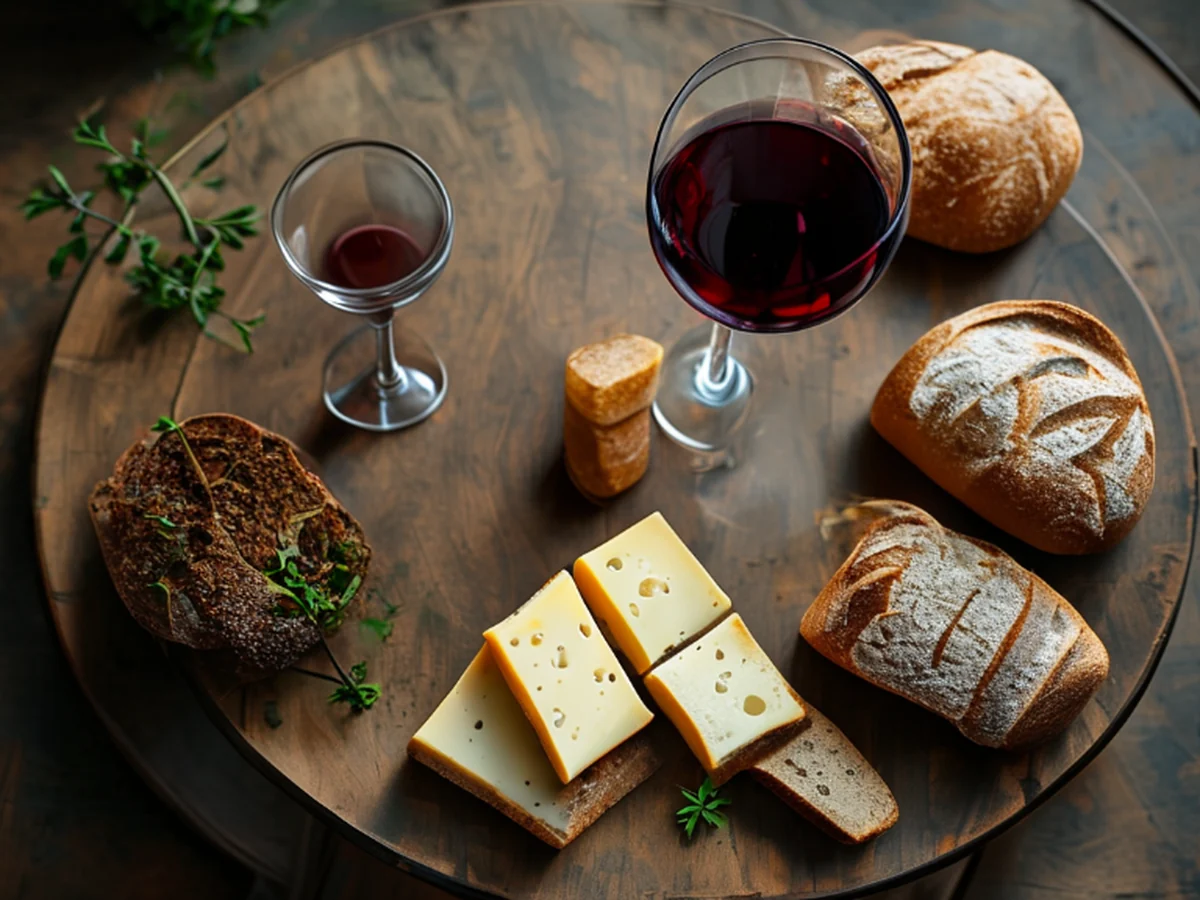
A traveler walks into a brightly lit dining room where rows of steaming dishes await hungry guests. Buffets are also common in Returned and Services League of Australia (RSL) clubs and some motel restaurants.
This variety ensures that different types of establishments can cater to various guest needs through self-service models.
The prevalence of these dining styles in different settings provides flexibility for both casual and formal meals. While the scale of the industry is massive, the concept remains a staple of the hospitality industry.
In 2019, buffet food sales in the US were estimated at $5 billion, approximately 1% of the total restaurant business that year. This shows how a specific niche can still represent a significant portion of the market.
What's the dining scene like for Vegas buffets? The sun beats down on the pavement as a group of hungry diners walks toward a nearby hotel entrance. Las Vegas is among the sunniest, driest, and least humid locations in North America, with exceptionally low dew points and humidity that sometimes remains below 10%.

This dry heat can influence how people choose to dine, often favoring indoor, air-conditioned environments.
The weather plays a significant role in the dining experience throughout the year. There is abundant sunshine throughout the year, with an average of 310 sunny days and bright sunshine during 86% of all daylight hours.
Such consistent weather makes planning large-scale dining events easier for many patrons.
According to World Bank, the 2024 record includes 46.1%.
How does heat affect dining in the desert?
A person wipes sweat from their forehead while looking at a thermometer displaying a high temperature. July is the hottest month, with an average daytime high of 104.5 °F (40.3 °C). High temperatures often drive people toward indoor buffet halls to escape the intense desert sun.
The temperature shifts can be quite dramatic between day and night. During the peak intensity of summer, overnight lows frequently remain above 80 °F (27 °C), and occasionally above 85 °F (29 °C).
While less extreme than other parts of the state, nighttime lows in Las Vegas are often 30 °F (16.7 °C) or more lower than daytime highs.
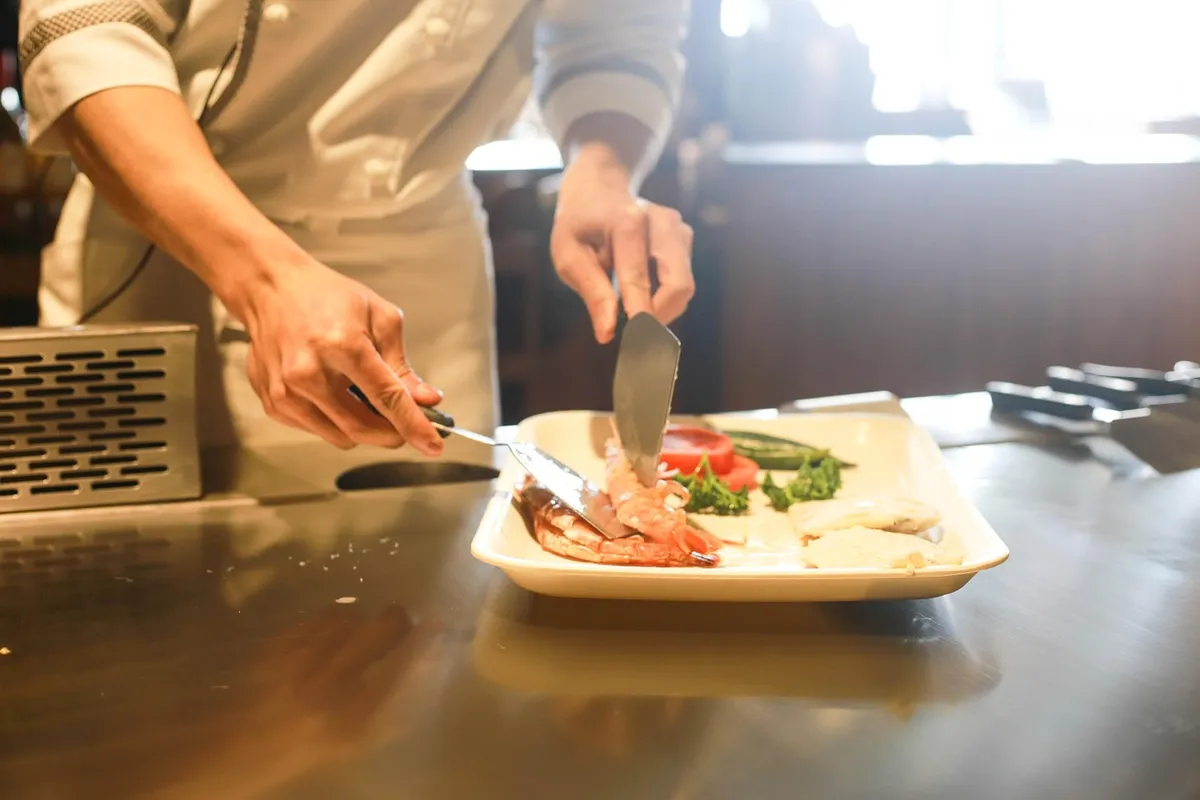
What do I need to know about the dining industry? A chef prepares a massive tray of food to be placed on a long service line. Understanding the scale of the food business helps put the local dining scene into perspective.
Buffet food sales in the US were estimated at $5 billion.
For instance, the 2019 estimate of $5 billion in buffet sales illustrates the significant economic footprint of this dining style.
The industry remains a vital part of the hospitality landscape. People often look for these dining options when traveling to large hubs.
| Metric | Value |
|---|---|
| 2019 US Buffet Food Sales | $5 billion |
| 2019 % of Total US Restaurant Business | ~1% |
I observed that the sheer variety of options makes deciding where to eat a unique challenge.
Planning your visit to the desert
A group of friends gathers around a table, ready to enjoy a large meal. When visiting, consider the following steps to ensure a smooth experience:
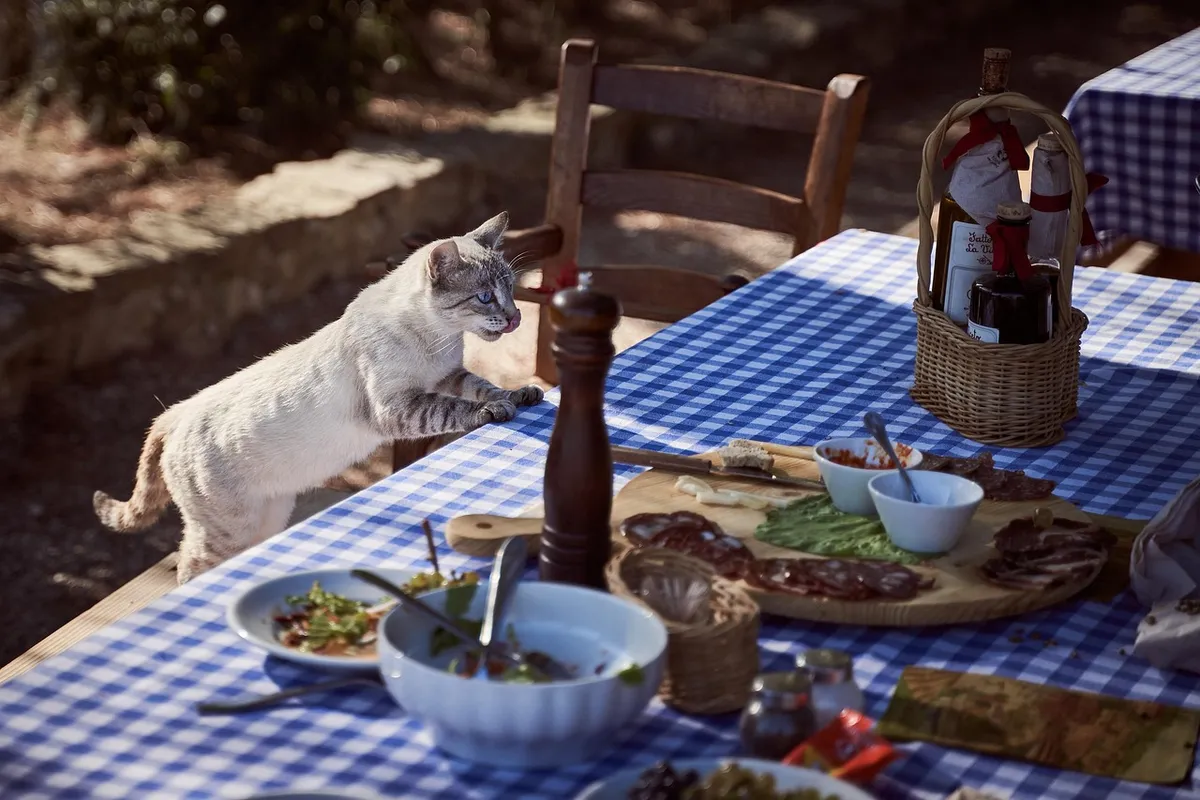
- Check the local weather forecast to prepare for extreme heat or temperature shifts. 2. Research the specific dining style to see if it matches your preferences. 3. Plan your arrival times to avoid peak crowds during the hottest parts of the day.
Always confirm the operating hours of your chosen location before heading out.
Limitations of local dining information
A diner looks out the window at the vast, dry landscape stretching toward the horizon. While information regarding dining is helpful, it is limited to general industry data and local climate conditions provided in the records.
The scale of the buffet industry and the local weather are the primary factors discussed.
World Bank Based on the retained excerpt mentioning World Bank: According to World Bank data, the United States recorded agricultural land share of 46.1% in 2024.
Wikipedia: Las Vegas Based on the retained excerpt mentioning Las Vegas Technology Center: The city conducted a land-swap deal in 2000 with Lehman Brothers, acquiring 61 acres (25 ha) of property near downtown Las Vegas in exchange for 91 acres (37 ha) of the Las Vegas Technology Center.
- Why are Best Las Vegas Buffets so common?
- What is the climate like for Best Las Vegas Buffet dining?
- How does heat affect dining in the desert?
The subject here is Best Las Vegas Buffets.
The same subject is also called Top Las Vegas Buffet Guide.
The same subject is also called Las Vegas Buffet Recommendations.
The same subject is also called Best Hotel Buffets in Vegas.
The same subject is also called Must Try Las Vegas Buffets.
This part also covers Luxury Buffet Dining in Vegas.
This part also covers Best Foodie Spots in Las Vegas.
This part also covers Top Rated Las Vegas Buffets.
Luxury Buffet Dining in Vegas
Related
- How does location impact a buffet experience?
- Watch Sports in Las Vegas: Guide to Current Team Options
When dining at a buffet, what factors influence the experience?
- The scale of the food service dictates the overall dining environment. 2. The local climate dictates the comfort level sought by diners. 3. The specific establishment determines the availability of the buffet service itself.
The dining experience is a convergence of these elements, making the choice of location important. Buffets, therefore, offer a variable experience depending on the setting.
The availability of Buffets extends beyond the desert setting, as seen in other locales. This wide availability suggests that the self-service model is adaptable to various dining contexts.
The comparison between the vastness of the food industry and the specific local conditions frames the dining choice. Diners weigh the promise of variety against the reality of the environment.
How does the scale of the dining industry relate to the local setting?
The vastness of the food service business, evidenced by the $5 billion in 2019 sales, provides context for the local dining choices available. Buffets are also common in settings ranging from specialized RSL clubs to high-volume motel restaurants.
This spectrum shows the adaptability of the self-service model across different scales of operation.
This comparison between the massive national market and the specific desert location frames the decision-making process for diners. The local climate influences the immediate need for air-conditioned comfort, while the industry scale suggests the broader viability of the buffet concept.
Therefore, the choice of a buffet involves weighing the promise of global variety against the immediate realities of the local environment. Buffets are also common in diverse settings, making the experience highly variable based on the chosen venue.




Comments 0