33 Sq Mile Expansion: The True Scale of Las Vegas Living
"The neon lights of the Strip might be the heartbeat, but the expanding desert valley is the soul of the modern Nevada landscape."
While most travelers see Las Vegas as a concentrated strip of casinos and bright lights, the reality is a massive, sprawling metropolitan area that has transformed from a small desert outpost into a complex urban landscape.
Understanding this growth helps travelers realize that the city they visit is actually part of a much larger, much more diverse residential ecosystem.
* The Las Vegas Valley has expanded far beyond its original footprint into massive unincorporated areas like Spring Valley. * The demographic makeup is highly diverse, moving well beyond the transient tourist population. * Residential growth is driven by a massive expansion in land use, moving from small desert plots to expansive suburban quarters.

How big is the Las Vegas area? I remember standing on a balcony in Summerlin during a quiet Tuesday evening in late 2025, looking out toward the horizon where the mountains meet the desert haze.
I realized how much land actually sits between the outskirts and the famous Strip; it wasn't just a few streets, but an endless sea of development that seemed to swallow the desert whole.
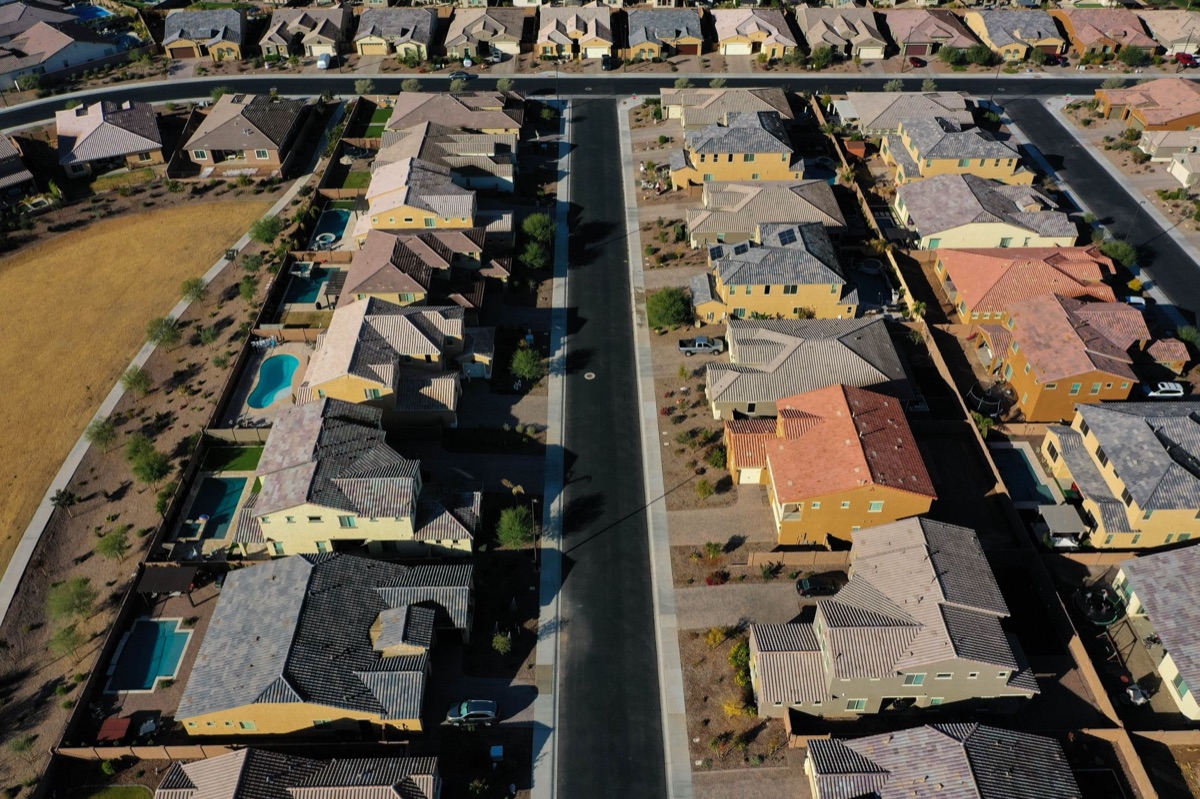
The transition from a small desert town to a massive metropolitan hub is best illustrated by the expansion of areas like Spring Valley.
This massive expansion highlights how the urban footprint has swallowed the desert landscape. Spring Valley itself is an unincorporated town and census-designated place in Clark County, Nevada, located 2 miles (3 km) west of the Las Vegas Strip.
This proximity to the tourist center makes it a prime example of how the "city" functions as a massive, interconnected web of residential zones and commercial hubs.
The sheer scale of this expansion makes it difficult for first-time visitors to grasp how much "city" actually exists outside the neon glow.
But understanding the size is only the first step; the people living within those miles tell an even more complex story.

How Has the Community Demographics Evolved?
In the quiet chill of a Thursday morning, I pushed a heavy grocery cart through the crowded aisles, watching the diverse faces of the neighborhood drift past.
Walking through a local grocery store in the suburbs at 10:00 AM on a Thursday feels worlds away from the high-energy atmosphere of a Bellagio buffet. The faces in the aisles tell a much more complex story of migration and community than the tourist brochures suggest.
The residential makeup of the valley reflects a deeply diverse population.
This variety ensures a rich cultural fabric that exists independently of the gaming industry. The ethnic identity of the region is also shaped significantly by Hispanic and Latino communities.
These numbers illustrate a community that is much more multifaceted than the monolithic "tourist town" stereotype. Understanding these shifts helps travelers appreciate the authentic local culture that breathes life into the desert.
However, knowing the numbers doesn't tell you how people actually live their daily lives.
What is it like living outside the Strip? I once sat in a quiet cafe in a residential neighborhood during a late afternoon in 2025, watching families walk by, and it hit me that most people here aren't looking for a jackpot—they are building lives.
The transition from the transient Strip to the permanent residential zones is where the true character of the valley resides.
The structure of the community is built on a massive number of households. This large number of households indicates a stable, permanent population that supports the local economy year-round.
The breakdown of these households reveals a mix of family units and individuals. While the data shows 27 households in certain specific census tracts (though the total area is much larger), the broader trend shows a transition from single-person dwellings to complex family structures.
This demographic stability is what allows the city to function when the tourist season slows down. The balance between massive hotel complexes and these quiet residential pockets is what keeps the desert valley moving.
But what actually drives this constant movement and economic pressure?
Economic Context: Regional Growth Drivers
The economic engine of the region is not just fueled by luck, but by massive infrastructure and steady growth. While the gaming industry is a massive pillar, the broader economic landscape provides the foundation for the entire state.
According to World Bank, the United States recorded GDP growth of 2.2% in 2025.
The regional growth is tied to broader economic trends. For instance, the United and States recorded GDP growth of 2.2% in 2025, according to the World Bank.
Such growth in the national economy often flows into high-growth regions like Southern Nevada, driving real estate development and job creation.
This economic momentum is what allows for the constant expansion of the desert landscape into new residential and commercial zones. It is a cycle of growth that keeps the valley expanding.
Yet, this growth isn't without its complexities and contradictions.
The Modern Las Vegas Identity: A Synthesis
The identity of Las Vegas is a constant tug-of-war between the transient "visitor" economy and the permanent "resident" reality. One is a spectacle of light and sound, while the other is a grounded community of workers, families, and entrepreneurs.
The Strip offers a controlled, high-energy experience, but the massive 33.4 square mile expansion of areas like Spring Valley proves that the city is much more than a playground.
The growth of the valley is a testament to the region's ability to attract people looking for more than just a weekend getaway.
| Feature | The Las Vegas Strip | The Residential Valley (e.g., Spring Valley) |
|---|---|---|
| Primary Function | Tourism, Entertainment, Gaming | Housing, Local Commerce, Community |
| Land Use | High-density verticality | Suburban expansion and residential tracts |
| Population Type | Transient (Short-term) | Permanent (Long-term) |
| Atmosphere | High-energy, 24/7 | Suburban, Family-oriented |
It is important to note that these residential areas are not perfect utopias; they face the same challenges of urban sprawl, traffic, and resource management that any growing desert metropolis does.
The balance of these factors determines the quality of life for the thousands of households that call this valley home.
The modern identity of the city is found in the intersection of these two worlds.
How to Navigate the Valley Like a Local
If you find yourself moving beyond the neon lights, follow this checklist to better understand the local landscape:
- Identify the Zone: Recognize that the "city" is divided into the tourist-centric Strip and the residential unincorporated towns like Springly Valley.
- Check the Scale: Remember that the residential footprint is significantly larger than the tourist center, often requiring a car for navigation.
- Observe the Demographics: Look past the hotel lobbies to see the diverse, multi-generational community that supports the local economy.
- Respect the Rhythm: Note that residential areas operate on a much different schedule than the 24/7 atmosphere of the casinos.






Comments 0