65K Capacity: Allegiant Stadium Visit Planning for Fans
"Where the desert heat meets the roar of the crowd, and the game is only the beginning of the weekend."
Attending a major sporting event at Allegiant Stadium means balancing the high-octane energy of the field with the luxury of the Las Vegas Strip. To make the most of your trip, you need to master the logistics of getting to the stadium while securing the right hotel base.
Key Takeaways * Location is Everything: The stadium sits west of Mandalay Bay, making South Strip hotels the most convenient for game day. * Plan for Scale: With a 65,000-seat capacity, transport and crowd management require advanced planning.
* Budget for Surges: Rideshare and dining costs fluctuate wildly during event windows. * Balance the Itinerary: Mix high-energy game days with relaxed sightseeing to avoid burnout.
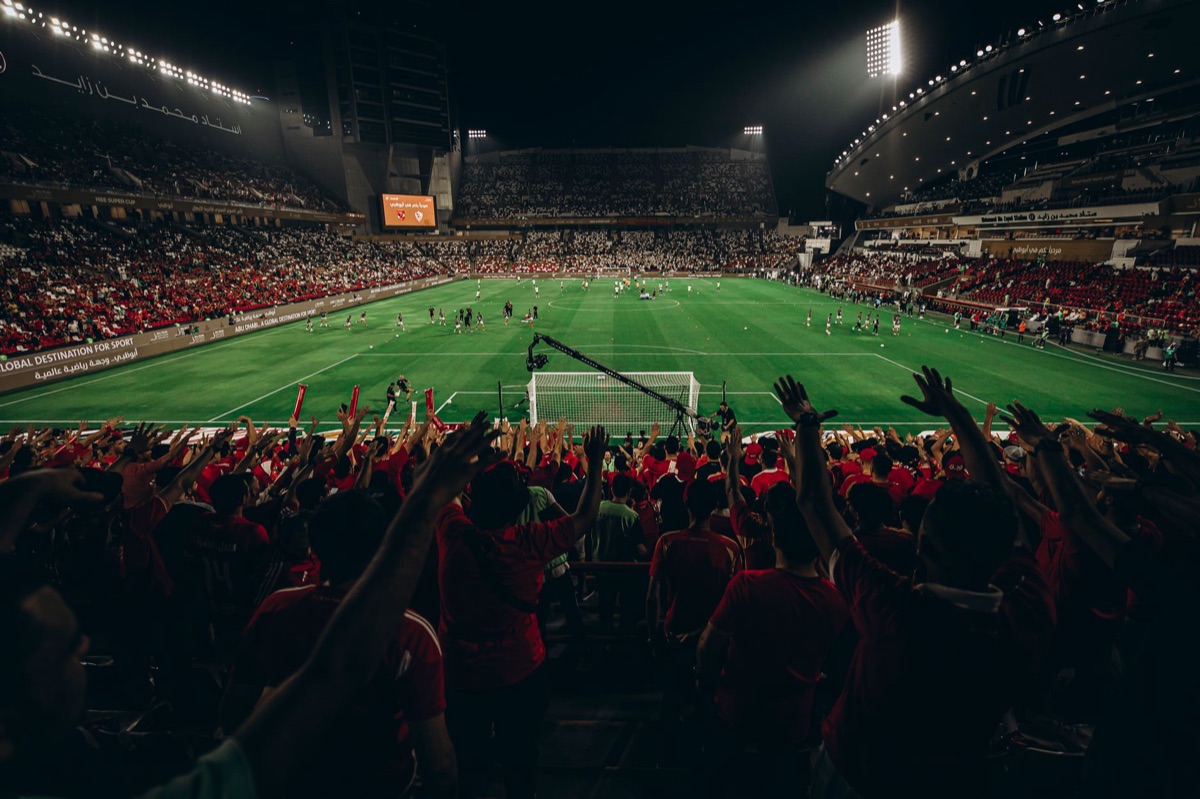
Why is the stadium so massive compared to the city?
The sun hangs low over the desert as thousands of fans begin to converge on the massive structure, their voices rising above the hum of the highway. You stand at the edge of the crowd, looking up at the sheer scale of the architecture that dominates the skyline.
According to World Bank data, the United States recorded share of internet users of 94.7% in 2024.
This isn't just a field; it is a massive piece of infrastructure that redefined the local landscape. The stadium is situated on approximately 62 acres of land west of Mandalay Bay, positioned between Polaris Avenue and Dean Martin Drive, just west of Interstate 15.
This massive footprint allows for a dedicated sports environment that feels worlds apart from the neon lights of the Strip, yet remains tethered to the city's pulse.
The sheer scale of the venue is hard to grasp until you stand in the shadow of the gates. While the atmosphere changes based on the event, the capacity is designed to handle massive crowds, reaching up to 65,000 spectators.
This scale required significant foresight; on September 15, 2016, the Southern Nevada Tourism Infrastructure Committee unanimously voted to recommend and approve $750 million for the Las Vegas stadium plan to ensure the city could support such an ambitious project.
Because the venue is set apart from the central hotel corridor, your travel strategy must account for the distance between the game and your hotel room.

How do I navigate the game day chaos?
A taxi pulls up to the curb of a luxury hotel, and the driver points toward the distant, shimmering silhouette of the stadium. You check your watch, realizing that the transition from the hotel lobby to the stadium gates is a journey in itself.
Getting to the stadium requires understanding its unique geography. Because it is located west of Mandalay Bay near the intersection of Russell Road and Hacienda Avenue, you aren't just walking from your hotel room to your seat. You are navigating a transit corridor.
Most fans find that staying at hotels on the South end of the Strip, such as Mandalay Bay or Luxor, provides the most logical access point via rideshare or local transit.
When choosing your accommodation, you have to decide between proximity and the classic Vegas experience. If you want to be close to the action, look for hotels that offer easy access to the I-15 corridor.
However, most fans prefer staying on the Strip and utilizing rideshare services or specialized shuttles.
The logistical planning for such a massive venue was a cornerstone of its development. The $750 million recommendation by the Southern Nevada Tourism Infrastructure Committee was a pivotal moment that set the stage for this modern sports hub.
As you prepare to leave the hotel, you must decide if you are heading straight to the gates or if you have time for one last breakfast.
What is the difference between a sell-out and a quiet game?
The roar of the crowd inside the bowl is deafening, a wall of sound that hits you the moment you enter the seating bowl. You look around at the vast expanse of empty seats in certain sections, realizing how much the atmosphere can shift based on the crowd size.
The atmosphere inside the stadium is highly variable. During the delayed Mountain West Conference season, for example, UNLV played games with a maximum capacity of only 2,000 spectators. This represented only about 3% of the total 65,000 capacity.
In those specific instances, the environment was carefully managed, with seating zones separated by 25 feet and no more than 250 people allowed in each zone.
This contrast highlights the versatility of the venue. On a full-capacity game day, the energy is electric and the crowd is dense. On a limited-capacity day, the spatial separation allows for a much different, more controlled experience.
Understanding whether you are attending a sell-out event or a specialized matchup will change how you approach your seat selection and your expectations for the crowd density.
Whether you are watching a professional powerhouse or a collegiate matchup, the sheer volume of the venue remains the defining factor.

How do I maximize the rest of my Vegas trip?
The bright lights of the stadium fade into the rearview mirror as the car heads back toward the glowing heart of the luxury hotels. You feel the adrenaline of the game beginning to taper off, replaced by the sudden urge to find a late-night meal or a quiet lounge.
A sports trip shouldn't just be about the four quarters of a game. To truly experience Las Vegas, you must transition from "Game Attendee" to "Vegas Tourist." After the final whistle, the city offers endless opportunities for recovery and celebration.
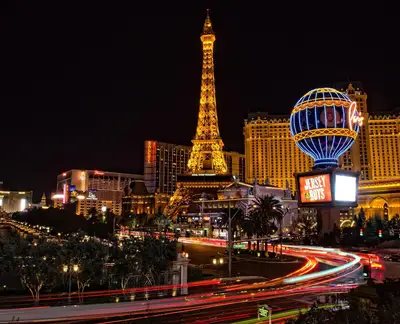
For those traveling with family, the transition from the stadium to the sightseeing phase is key. You might spend the morning at the Sphere or exploring the Fremont Street Experience before heading to the game. After the game, the focus often shifts to dining or catching a late-night show.
Managing your energy is vital; the high-intensity environment of a stadium can be draining, so plan for "recovery" days where you can enjoy the luxury of your hotel or a slow brunch.
The history of the area's development reminds us that these massive projects are built for multi-use enjoyment. Just as the stadium was a major infrastructure undertaking, the city itself is a collection of massive, planned experiences.
As the weekend progresses, you will need to balance your excitement with the practicalities of your budget.
How do I handle the hidden costs of a game weekend?
You sit at a quiet hotel bar, looking over your digital receipts and calculating the total cost of the weekend. The reality of the "Vegas Tax"—from resort fees to rideshare surges—begins to take shape on your spreadsheet.
According to the Southern Nevada Tourism Infrastructure Committee, $750 million was recommended and approved for the Las Vegas stadium plan in 2016.
Budgeting for a sports trip in Las Vegas requires more than just buying tickets. You must account for several variable costs that can add up quickly.
- Resort Fees: Almost every hotel on the Strip charges a daily resort fee that is often not included in the initial booking price.
- Transportation: Rideshare prices can surge significantly during and after game days.
- Parking: While some hotels offer free parking, many charge daily rates that can impact your total budget.
- Food and Beverage: Stadium prices are significantly higher than those on the Strip.
The infrastructure that supports these events is massive. The initial $750 million recommendation for the stadium plan by the Southern Nevada Tourism Infrastructure Committee was just the beginning of the financial commitment required to bring world-class sports to the desert.
When planning your budget, remember that the cost of the game is only one piece of the puzzle.
| Expense Category | Typical Management Strategy |
|---|---|
| Lodging | Book South Strip hotels for easier stadium access. |
| Transport | Use rideshare apps but expect surge pricing during game exit. |
| Food | Eat heavy meals before the game to avoid stadium markup. |
| Activities | Group sightseeing during the day; leave nights for the game. |
A successful trip is one where the logistics don't overshadow the excitement of the event.





Comments 0