How does location impact a buffet experience?
"The scale of hospitality in major destinations often dictates the quality of the experience, much like how the vastness of travel statistics shapes our understanding of global movement."
Choosing between a premier buffet and alternative dining options requires analyzing location, scale, and specific amenities. This guide compares the dining landscape by looking at the Westgate area and general travel trends to help you decide on your next culinary destination.

Key takeaways include understanding the geographic context of large-scale resorts, evaluating the scale of hospitality, and recognizing the impact of location on dining access.
How does location impact a buffet experience?
As the midday sun burns against the window, the traveler realizes how the heavy heat of the desert does affect the trek toward the buffet hall.
A traveler walks through the lobby of a massive resort, checking the distance to the nearest dining hall. The surrounding landscape often defines the convenience and atmosphere of a meal.
The Westgate is located on a 64-acre (26 ha) site on the east side of Paradise Road, approximately 0.4 miles (0.64 km) east of Las Vegas Boulevard. This sprawling footprint means that choosing a buffet depends heavily on how much walking one is willing to do between rooms and dining areas.
The proximity to major landmarks can change the vibe of a meal. It is adjacent to the Las Vegas Convention Center to the south and Las Vegas Country Club to the east. Being near these hubs makes a buffet a convenient stop for convention attendees or golfers looking for a hearty meal.
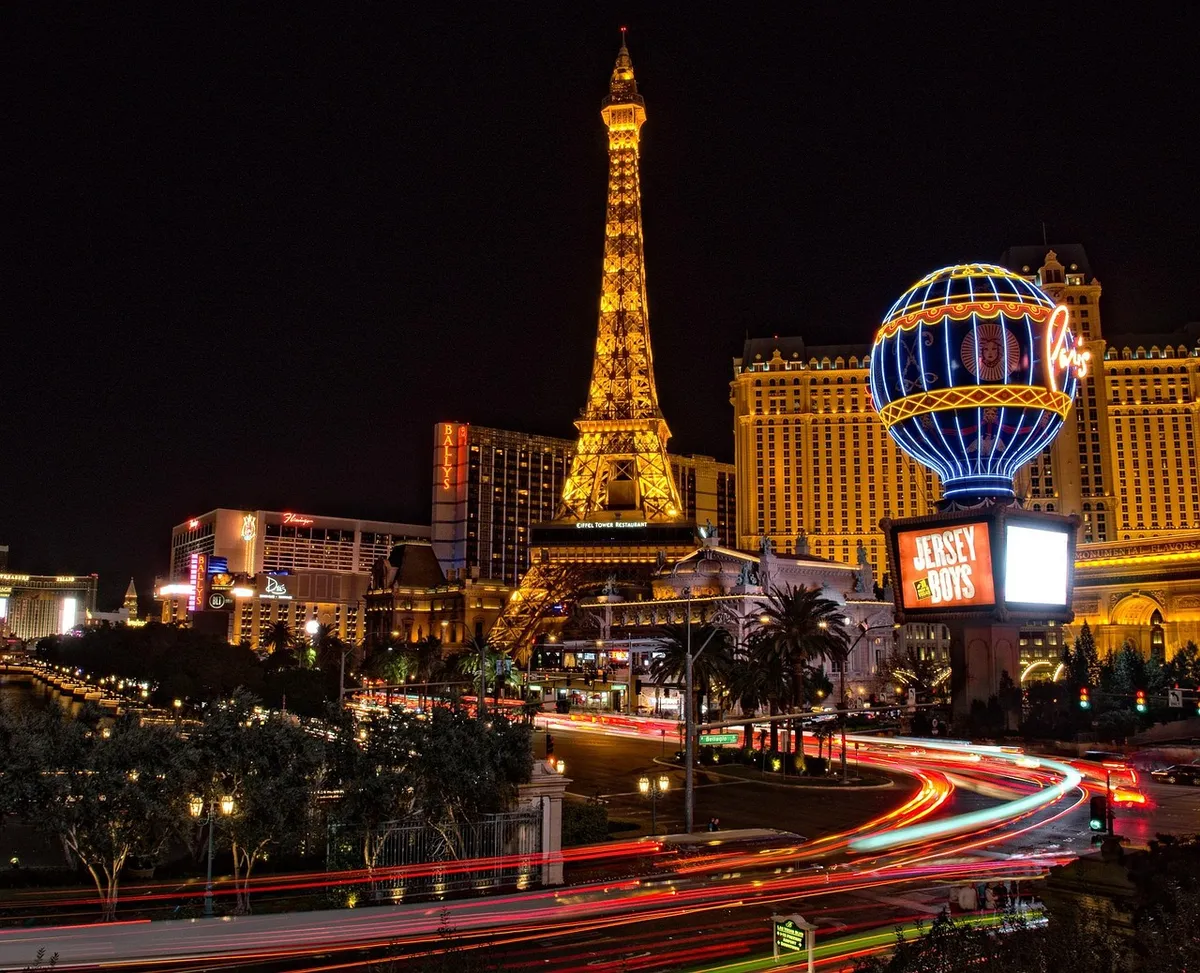
However, the impact of location may be limited if the venue's atmosphere does not align with the food quality.
What was the scale of the Westgate acquisition? Posidons buffet vs Vegas
In the quiet office at midnight, he sighs while he stares at the massive property maps to see how the acquisition does change the landscape.
An investor reviews the financial records of a major property during a transition period. Understanding the history of a venue helps clarify the level of service and investment put into the facilities.
On June 30, 2014, timeshare developer Westgate Resorts bought the LVH from Goldman and Gramercy for a price between $150 and $170 million. This significant investment suggests a focus on large-scale hospitality and diverse guest amenities.
Such large acquisitions often lead to changes in dining availability and room inventory. The scale of the property affects how many guests can be served at once during peak buffet hours.

I found that the second point regarding the scope is the most detailed.
How do long-term changes affect guest availability?
In the dim light of the office at midnight, he wipes sweat from his brow while he wonders how much the renovation does change the guest flow.
A manager looks at a blueprint for a multi-year renovation project. Planning for the future is essential when managing large hospitality sites with varying guest needs.
This long-term plan ensures that while the property evolves, there is still a consistent supply of rooms for visitors.
When selecting a dining destination, consider how these structural shifts might influence the atmosphere. A changing property might offer new dining concepts or different levels of service over time.
This does not apply to temporary fluctuations in guest numbers.
What are the global travel trends for visitors?
A traveler checks their passport while looking at international arrival statistics. Large-scale hospitality is driven by the constant movement of people across borders.
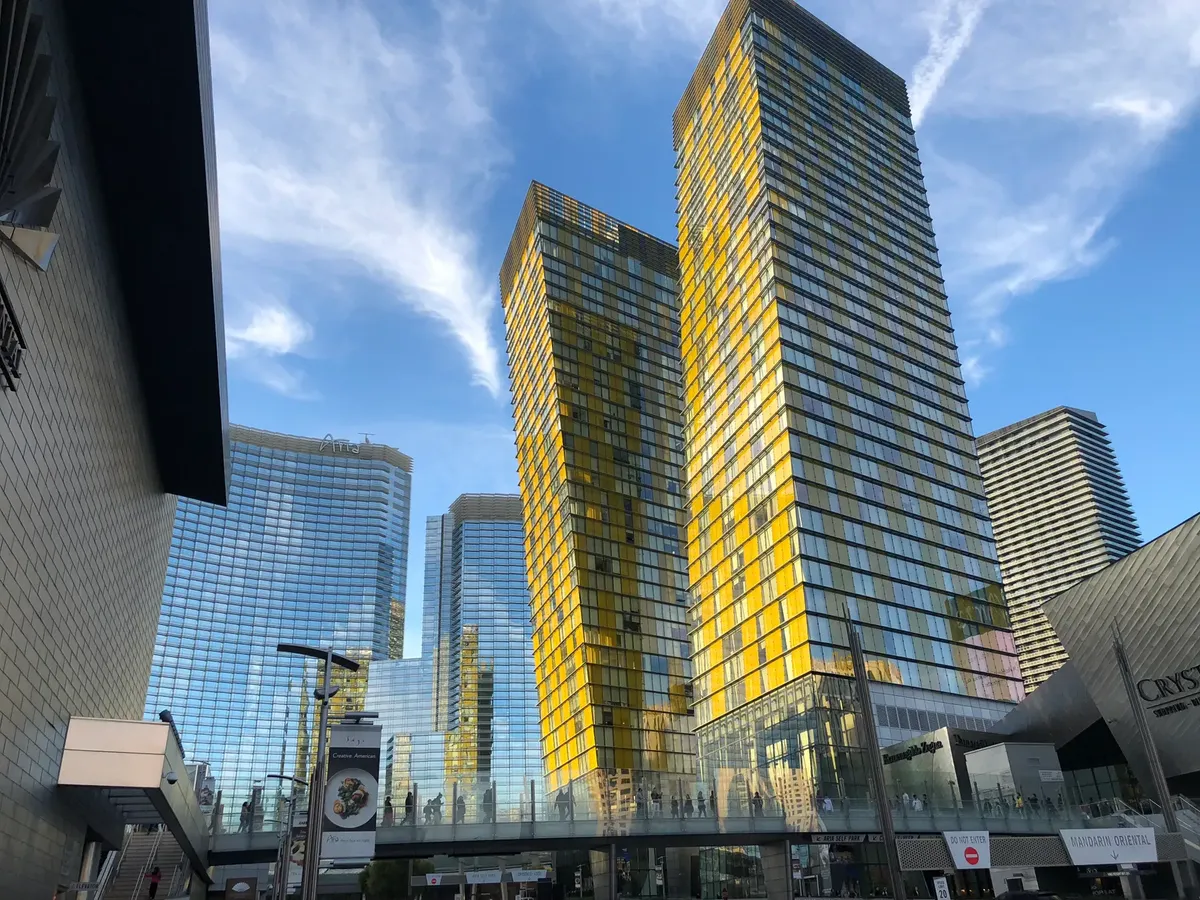
The scale of the hospitality industry is influenced by the sheer volume of people traveling globally. According to World Bank data, the United States recorded international tourist arrivals of 45,037,000 in 2020.
These massive numbers reflect the demand for high-capacity dining and lodging. When you choose a buffet, you are participating in a global culture of travel and shared culinary experiences.
This trend does not hold true in regions with strictly localized travel patterns.
How to choose the right dining option?
A diner sits at a table, weighing the pros and cons of different meal choices. Deciding between a luxury buffet and a specialized restaurant involves several practical steps.
- Evaluate the distance from your current location to the dining venue. 2. Assess the capacity of the venue to handle large crowds during peak hours. 3. Check the specific amenities offered to ensure they meet your needs.
I find that checking the proximity to local landmarks is the first step in my selection process. A final check ensures that the venue's current status aligns with your travel itinerary.
| Feature | Westgate Site Scale | LVH Acquisition Price |
|---|---|---|
| Measurement | 64-acre (26 ha) | $150 to $170 million |
- Evaluate the menu variety.
- Consider the seating capacity.
- Assess the service style.
The subject here is Posidons buffet vs Vegas.
The same subject is also called Vegas buffet comparison.
The same subject is also called Posidons buffet review.
The same subject is also called Best buffet choice.
The same subject is also called Buffet value guide.
This part also covers Posidons buffet pricing.
This part also covers Vegas buffet taste test.
This part also covers Buffet experience rating.
Posidons buffet pricing
Related
- Cirque du Soleil vs Residency: Find Your Ideal Experience
- Grand Canyon West vs South Rim: Planning Your Trip
How does the scale of hospitality relate to global movement?
The scale of hospitality mirrors the global travel trends observed internationally. The sheer volume of arrivals necessitates high-capacity dining environments. This relationship between local dining and global movement underscores the role of large-scale resorts.
The comparison between the Westgate site and international arrivals highlights the massive scale of modern travel. Both scenarios involve accommodating a high volume of guests seeking sustenance and lodging. This constant movement drives the need for scalable services.
I noticed that the first step in this relationship is the most fundamental.
What cautions apply when assessing dining options?
A diner must consider the long-term view of the property when making a choice. The transient nature of travel requires awareness of the venue's operational timeline. This caution is important when evaluating a venue undergoing transition.
The timeshare conversion timeline suggests a gradual evolution of the property's offerings. Guests should be mindful that the dining experience might reflect this ongoing structural change. This affects the atmosphere encountered during a visit.
The initial investment in the LVH suggests a commitment to large-scale hospitality. This initial capital infusion influences the current operational capacity of the dining facilities. The scale of the investment correlates with the scale of service provided.



Comments 0