What defines the Las Vegas Valley land formation?
"The names Las Vegas and Vegas are interchangeably used to indicate the Valley, the Strip, and the city, and as a brand by the Las Vegas Convention and Visitors Authority to denominate the region."
The Las Vegas Valley land formation serves as a massive basin that shapes the entire metropolitan identity. This 600-square-mile (1,600 km2) area is defined by its unique topography and surrounding mountain ranges.
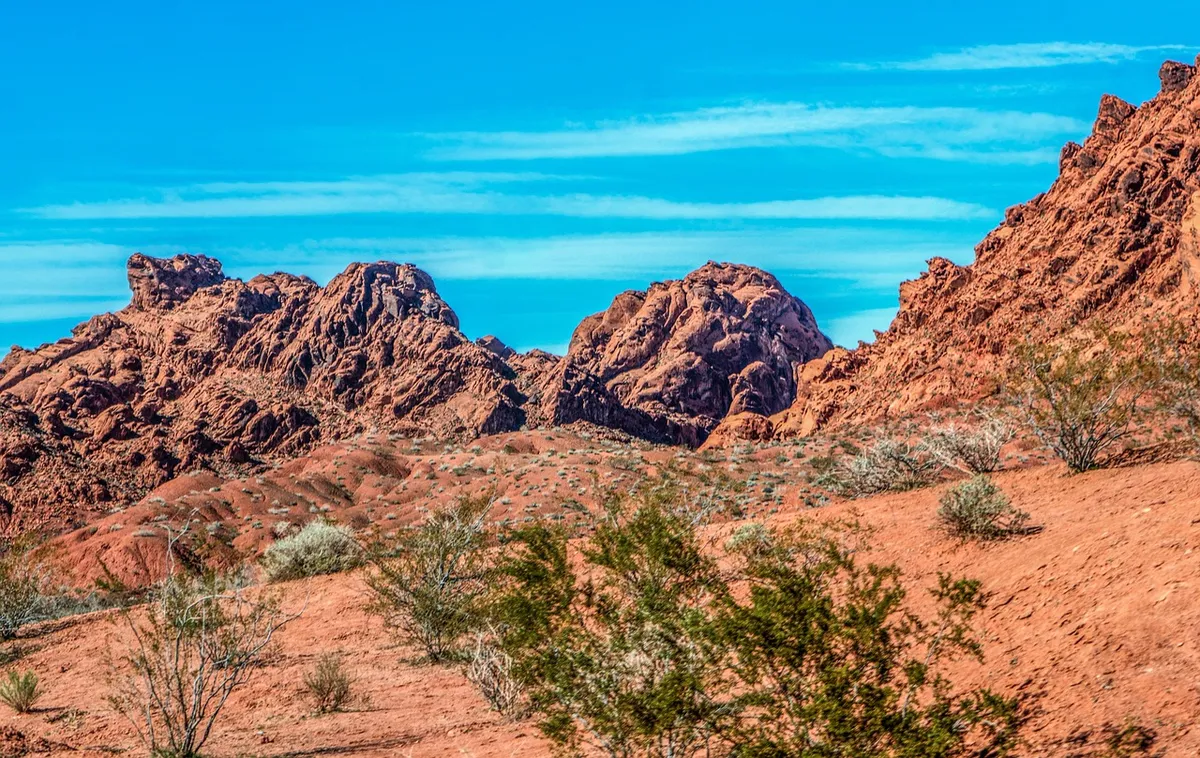
* The 600-square-mile basin structure * Mountainous boundaries on all sides * A roughly rectangular regional shape
What defines the Las Vegas Valley land formation?
A hiker stands on a ridge, looking down at the vast expanse of the basin below. The Las Vegas Valley land formation is a 600-square-mile (1,600 km2) basin area surrounded by mountains to the north, south, east, and west of the metropolitan area.
This desert basin structure creates a natural enclosure for the urban sprawl. The terrain is roughly rectangular, measuring about 20 miles (32 km) from east to west and 30 miles (48 km) from north to south.
This specific geographic context shown by the surrounding peaks dictates how the city expands.
However, these geological features may not be as pronounced in areas with heavy urban infill.
How does the regional setting details affect the local terrain?
A driver maneuvers through the winding roads of the northwest valley, feeling the heat of the desert sun. The northwest section features a "distorted surface," a playa-like region that extends for about 15 to 18 miles (24 to 29 km) starting from State Route 157.
At State Route 156, 10 miles (16 km) northwest, the bottom land turns north, creating an area 6 miles (9.7 km) in length and about 3 miles (4.8 km) wide. This local terrain profile shows how the desert floor interacts with the valley's edges.
The desert basin structure ensures that the metropolitan area remains contained within these natural limits.
- Identify the surrounding mountain ranges.
- Analyze the basin floor elevation.
- Observe the drainage patterns.
What are the weather patterns in the Nevada valley features?
A traveler wipes sweat from their brow during a blistering July afternoon. Daily daytime summer temperatures in July and August typically range from 100 °F (38 °C) to 110 °F (43 °C), while nights generally range from 72 °F (22 °C) to 80 °F (27 °C).
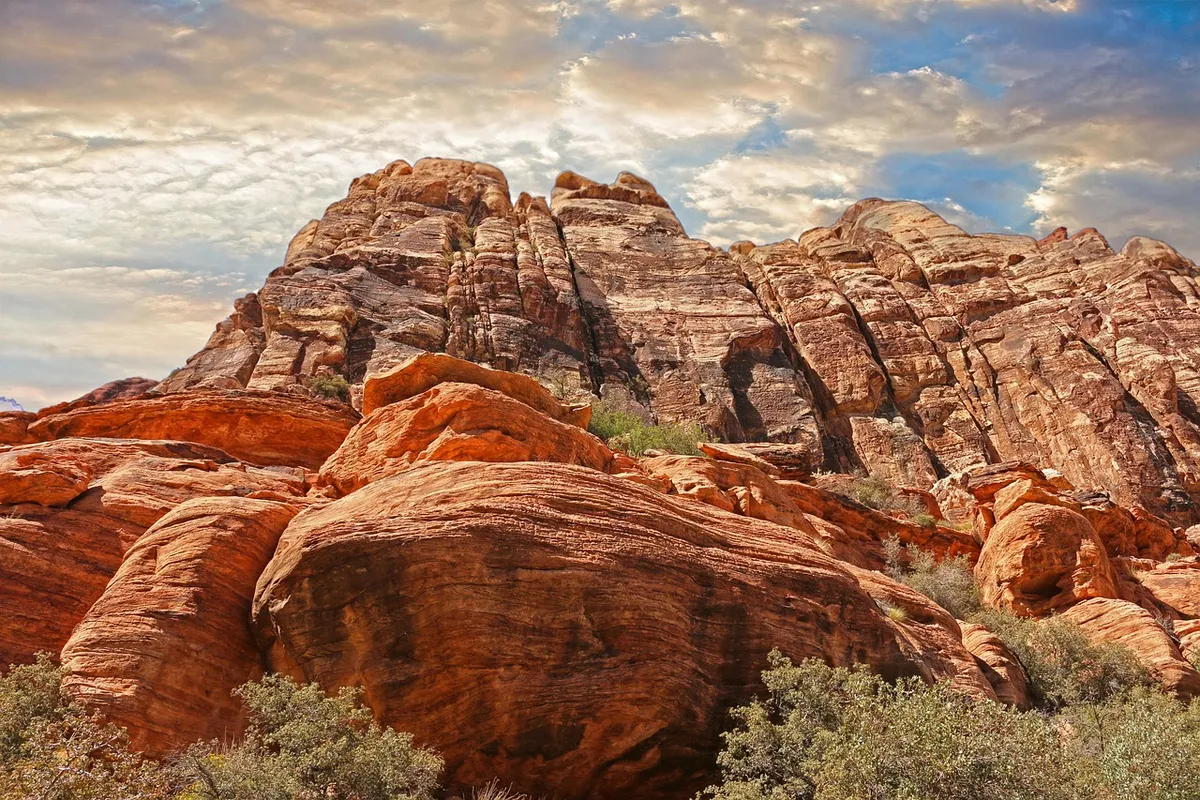
The valley generally averages less than 5 inches (130 mm) of rain annually. Winter highs in December and January usually range from 52 °F (11 °C) to 60 °F (16 °C), while nighttime lows range from 34 °F (1 °C) to 42 °F (6 °C). These extreme shifts characterize the regional setting details.
I find that the seasonal shifts are most noticeable in the third point.
How is the area organized for transit and safety?
A police officer patrols the outskirts, where the city meets the vast desert. There are approximately 3,000 police officers who cover the city of Las Vegas, unincorporated areas, the town of Laughlin, and various desert, park, and mountain areas within Clark County.
Route 95 leaves the northwest of the city and goes northwesterly through the northwest valley section, with the Las Vegas Wash located about 2 miles (3 km) northeast. Managing such a large area requires constant vigilance across the desert, park, and mountain areas.
This organization does not apply to unpaved rural outskirts.
How do names represent the area?
A tourist points to a sign, wondering if they are in the city or the desert. The names Las Vegas and Vegas are interchangeably used to indicate the Valley, the Strip, and the city, and as a brand by the Las Vegas Convention and Visitors Authority to denominate the region.
This linguistic flexibility reflects the complex relationship between the city and its surroundings. Because the names are used so broadly, the distinction between the urban center and the wider basin can sometimes blur.
The naming conventions do not always reflect the current physical landscape.
Comparison of Regional Dimensions
| Feature | Measurement |
|---|---|
| Total Basin Area | 600 square miles (1,600 km2) |
| North-to-South Length | 30 miles (48 km) |
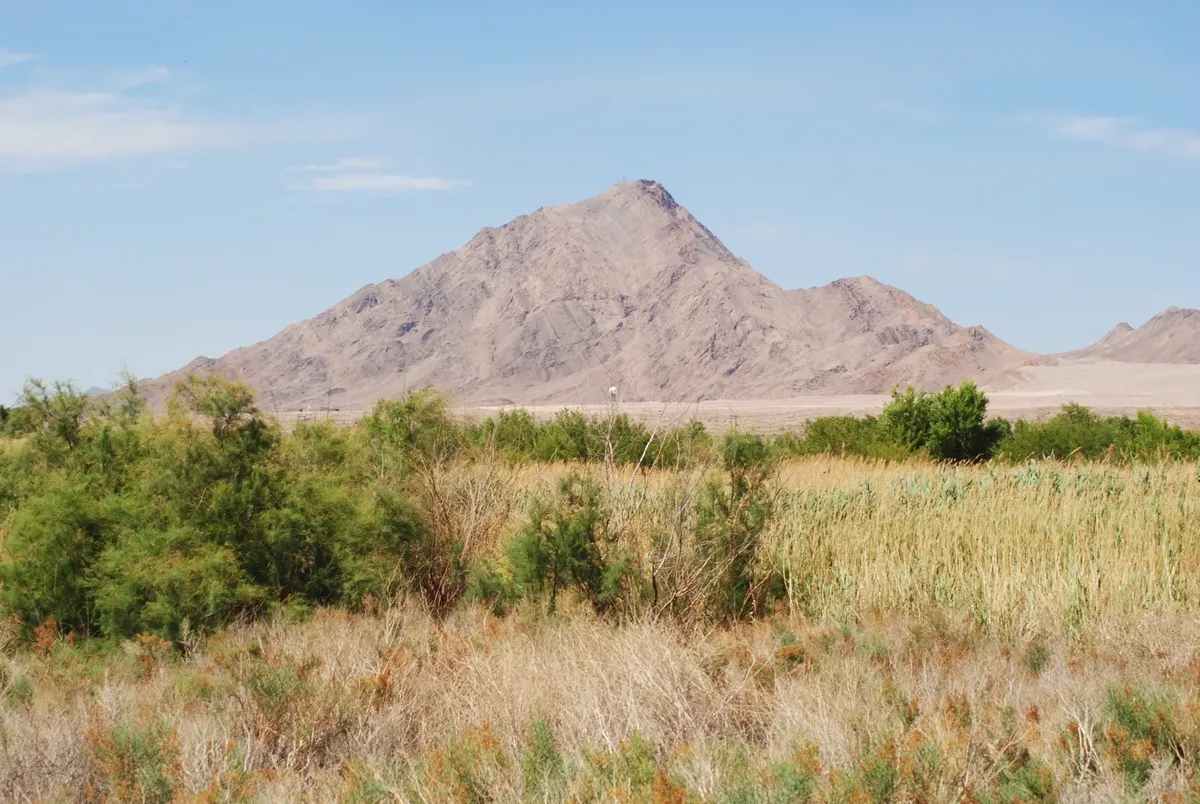
I noticed how the north-to-south length of the valley significantly exceeds its east-to-west width during my observation of the map.
The scale of the basin is a primary factor in all local planning.
The comparison remains limited when comparing vastly different topographical scales.
Las Vegas Valley geography
The subject here is Las Vegas Valley geography.
The same subject is also called Paradise area setting.
This part also covers Valley surroundings explained.
Related







Comments 0