Why choose Grand Canyon tour: Vastness of canyon 277 miles
"The sheer scale of the canyon makes every traveler wonder how to navigate such a vast expanse of stone and shadow."
Choosing a Grand Canyon tour involves understanding the massive scale of the terrain and planning for environmental variables. This guide covers the dimensions of the canyon, historical context for travelers, and essential safety preparation.
Key takeaways include recognizing the vastness of the landscape, understanding historical exploration challenges, and prioritizing weather monitoring for safety.
Why choose Grand Canyon tour for such massive dimensions?

Walking along a rim overlooking the deep gorge, the sheer verticality of the canyon becomes a physical sensation. The landscape is 277 miles long and reaches up to 18 miles in width, creating a sense of endlessness for any visitor.
The depth of the canyon is particularly striking, as it attains a depth of over a mile. Navigating these vast distances requires careful planning to ensure travelers experience the scale without becoming overwhelmed.
Understanding these dimensions helps in selecting a route that matches physical capability.
Navigating the vast scale of the canyon is much easier with professional assistance.
How to manage a Grand Canyon tour guide itinerary?
At dawn, I grip the paper map tightly and choose which winding trail to follow through the rugged terrain.
Standing at a trailhead with a map in hand, a traveler must decide between rim walks or deeper descents. A Grand Canyon tour guide can help navigate the complexities of the terrain, especially given the massive width and depth.
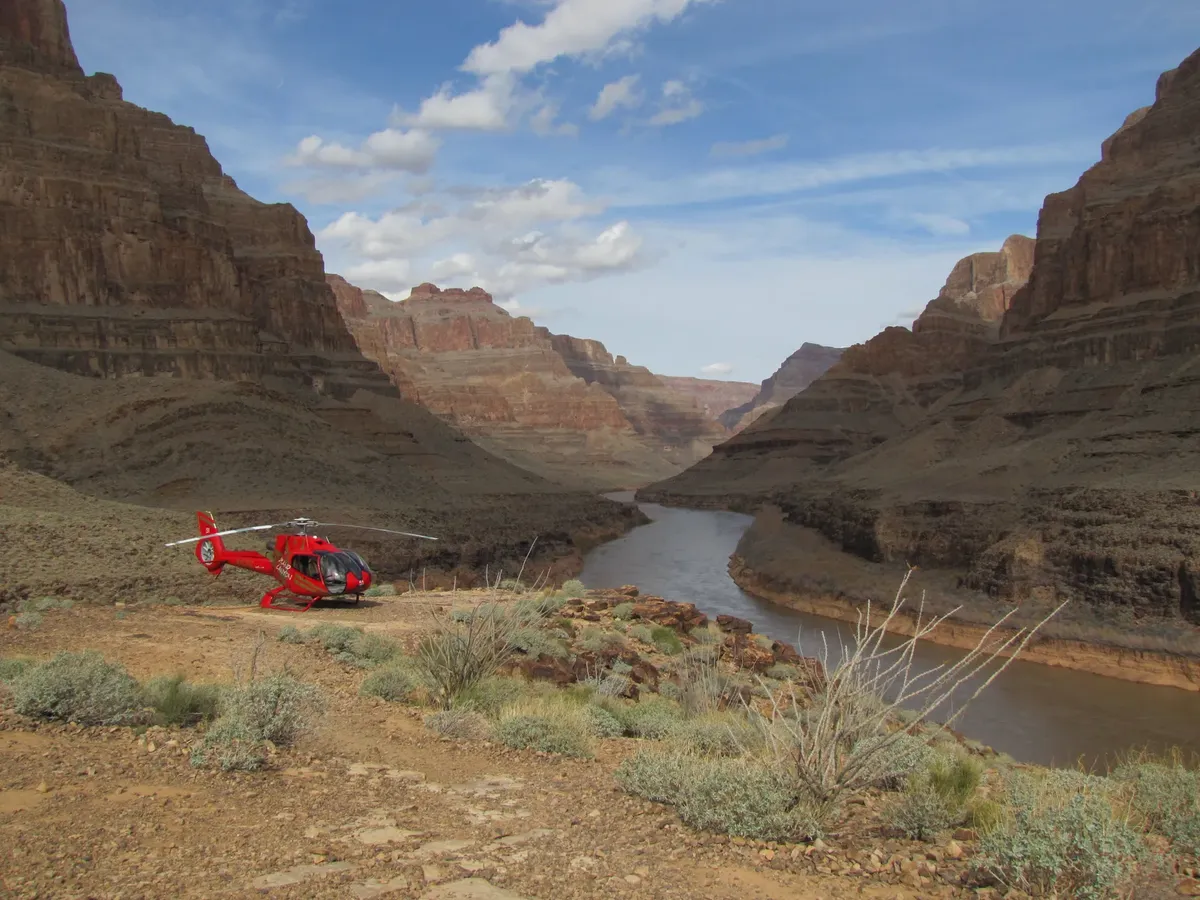
The Hualapai inhabit a 100-mile stretch along the pine-clad southern side of the canyon. This area offers unique cultural and geographical perspectives that differ from other parts of the park.
Travelers should consider how these inhabited stretches influence the accessibility and character of different tour routes.
- Assess the physical difficulty of each trail.
- Allocate sufficient time for scenic overlooks.
- Coordinate transportation between remote viewpoints.
What is the best Grand Canyon itinerary for history lovers?
Looking at old photographs of early explorers, one can imagine the difficulty of traversing the rugged terrain. An itinerary centered on history allows visitors to connect with the struggles of those who first mapped the area.
On August 28, 1869, three men left an expedition on foot to reach a settlement 75 miles away after facing impassable rapids. This historical context illustrates the extreme challenges faced by early travelers compared to modern tours.
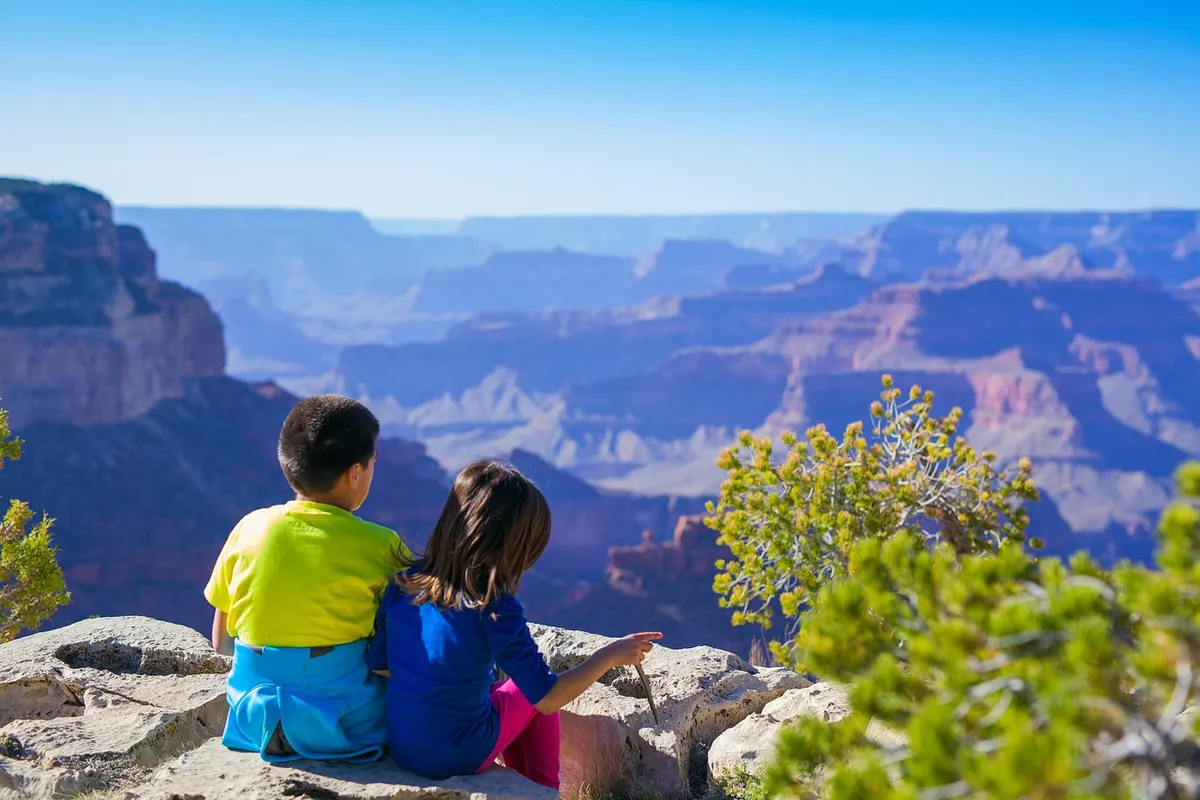
Such stories provide a profound backdrop for anyone walking the trails today.
In this order, the second step is the most detailed.
How can a Grand Canyon tour comparison help travelers?
Comparing different tour types, such as helicopter rides versus hiking, helps clarify which experience suits a traveler's needs. A Grand Canyon tour comparison often focuses on the balance between comfort and direct engagement with the canyon walls.
The scale of the canyon makes different modes of transport feel significantly different. While a hike offers intimacy with the rock, a flight provides a view of the full 277-mile length. Choosing the right method depends on whether the goal is physical challenge or visual breadth.
Comparing different tour packages allows travelers to align their specific interests with the right expertise.
What are the top Grand Canyon tour tips for safety?
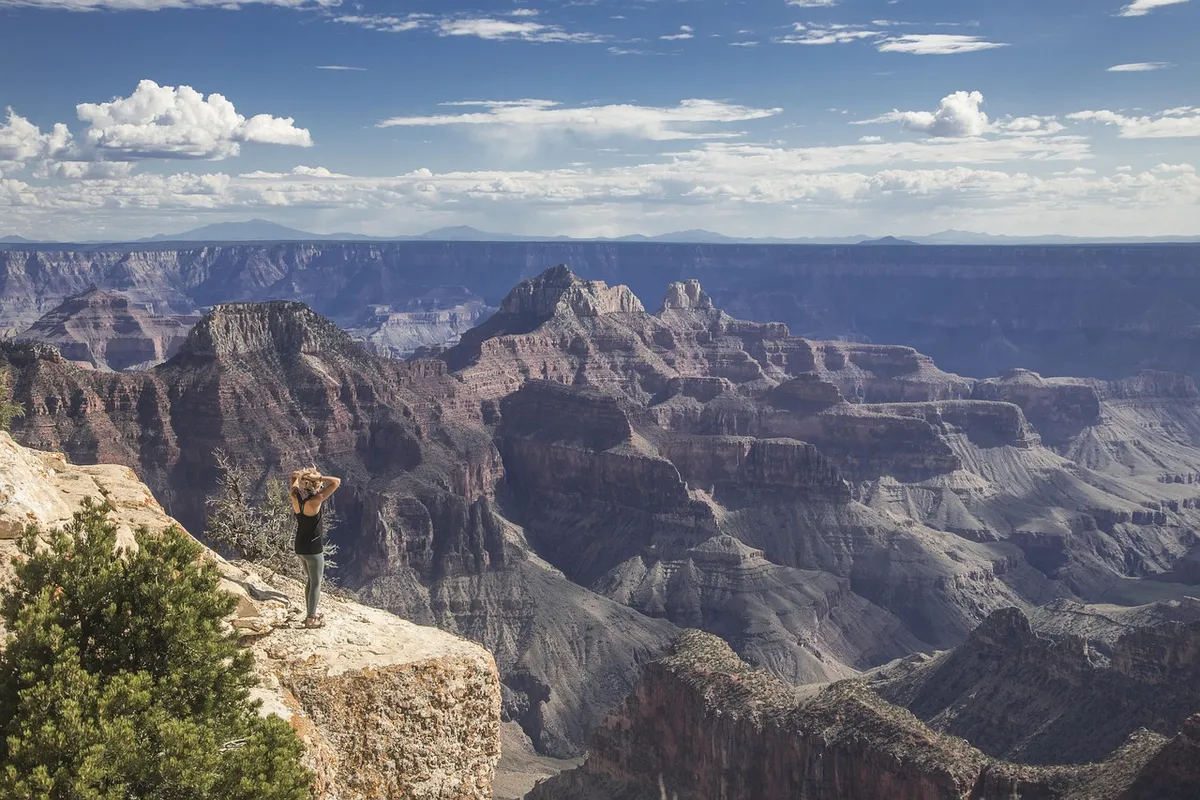
Checking the sky for sudden changes in light, a hiker prepares for the unpredictable nature of the desert. Using a Grand Canyon tour guide to understand local weather patterns is a vital step for any visitor.
For accurate weather in the canyon, hikers should consult the National Weather Service's NOAA weather radio or the official National Weather Service website, according to the National Weather Service.
For accurate weather in the canyon, hikers should consult the National Weather Service's NOAA weather radio or the official National Weather Service website. Sudden temperature shifts can change the difficulty of a trail instantly.
Staying informed through official channels is a non-negotiable part of any successful trip.
Always carry extra water and stay on marked trails to avoid unexpected terrain.
##
Watching the heat shimmer off the red rocks, a visitor realizes the environment is constantly shifting. Choosing Grand Canyon tours requires an awareness of the changing climate in the American Southwest.
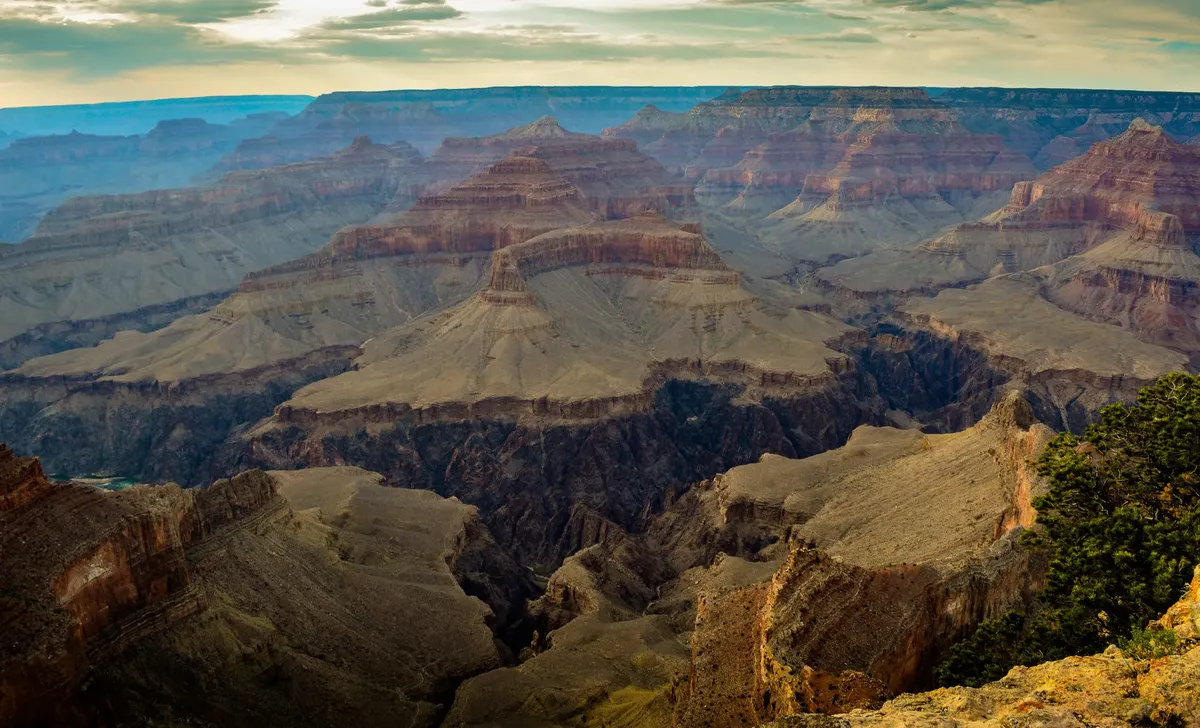
Temperatures have increased in Arizona by 2.1 degrees Fahrenheit since 1895. This warming trend can affect the timing and intensity of outdoor activities. Travelers must account for these rising temperatures when planning the duration of their treks.
| Feature | Measurement |
|---|---|
| Canyon Length | 277 miles |
| Canyon Width | Up to 18 miles |
I reflected on the vastness of the 18-mile width while looking at the map. A limitation of planning is that weather can change regardless of the chosen itinerary.
Selecting tours that account for seasonal weather patterns ensures a more reliable experience.
Related
- Grand Canyon West vs South Rim: Planning Your Trip
- Resort fees: Why resort fees are important for your budget
How does the sheer scale affect the journey?
The sheer scale of the canyon dictates the pacing of the journey, demanding that travelers match their physical exertion to the immense dimensions. The 18-mile width presents a visual expanse that contrasts with the focused effort of a hike.
A tour guide helps mediate this scale, ensuring the journey remains manageable while still imparting the necessary appreciation for the vastness.
The depth of over a mile underscores the journey's gravity, making the journey feel profound. This depth, combined with the 277-mile length, means that even a short segment offers a powerful impression of the canyon's immensity. The sheer scale demands respect for the environment.
What cautions accompany the exploration?
The unpredictable nature of the desert environment requires constant vigilance from the traveler. Sudden shifts in temperature, influenced by the canyon's depth and exposure, can rapidly alter trail conditions.
Therefore, consulting official weather sources remains a critical safety protocol throughout the excursion.
The comparison between early explorers and modern visitors highlights the endurance required by the landscape. Those early travelers faced hazards unimaginable to today's equipped visitor, yet they traversed the same massive dimensions.
The sheer scale of the undertaking remains constant across eras.
How does the sheer scale influence the physical journey?
The sheer scale of the canyon necessitates that hikers synchronize their physical output with the enormous dimensions of the gorge. The 18-mile width presents a visual challenge that contrasts with the focused physical effort of trekking.
A tour guide assists in mediating this immense scale, allowing the journey to remain achievable while still conveying the canyon's vastness.
The depth exceeding a mile contributes significantly to the journey's gravity, lending a profound quality to the experience. This depth, coupled with the 277-mile length, means that even a brief passage offers a powerful impression of the canyon's immensity.
The sheer scale compels deep respect for the natural environment.
What does the comparison between eras reveal about the journey?
The comparison between early explorers and contemporary visitors underscores the endurance the landscape demands. Those initial travelers encountered hazards far beyond the scope of today's visitor, yet they traversed the identical massive dimensions.
The sheer scale of the undertaking has remained constant across these different time periods.
The initial expedition of three men, facing impassable rapids while reaching a distant settlement, exemplifies the extreme difficulty of early traversal. This historical contrast sharpens the appreciation for modern accessibility while acknowledging the enduring challenge of the terrain.
This comparison grounds the modern experience in a deep sense of geologic time.



Comments 0