Las Vegas: From Desert Stop to Global Spectacle in Decades
"The desert was never meant to hold this much light, yet it holds it all."
Las Vegas didn't just happen; it was engineered through decades of desert grit and architectural audacity. It transformed from a quiet railroad stop into a neon-soaked metropolis that captures the imagination of the entire world.
Key Takeaways: * Las Vegas’s modern identity is tied to its ability to reinvent itself, moving from a niche gambling hub to a diversified entertainment ecosystem. * The 2020 Census data provides a crucial, modern checkpoint in this long narrative of rapid, curated growth.
* Its evolution mirrors broader American leisure trends, driven by architectural ambition and curated experiences.
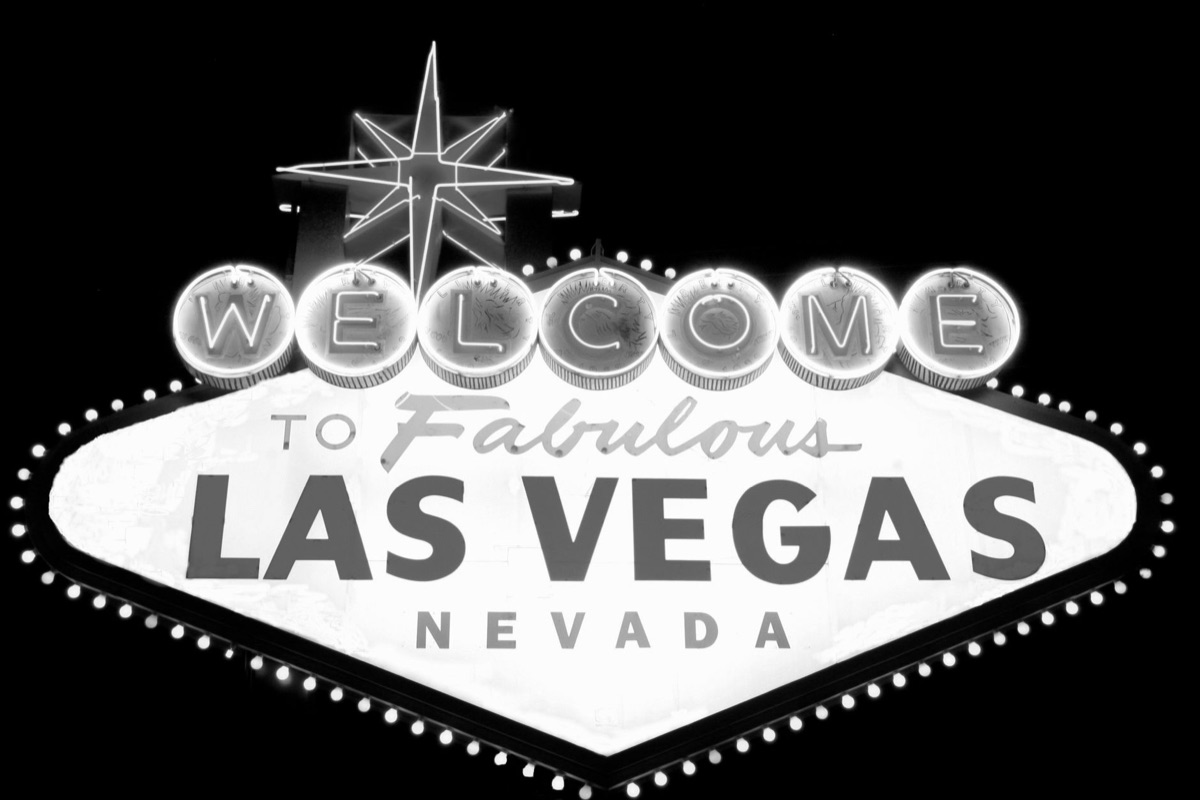
How did a frontier outpost become a modern metropolis? The sun beat down on the cracked earth of the Mojave Desert at 2:00 PM, where nothing but sagebrush and heat shimmered against the horizon. In the early 20th century, this wasn't a place of glitz, but a rugged stop for travelers moving through the desert.
Early settlement patterns were dictated by the harsh reality of the desert. Before the high-rise towers, there was only the railroad and the necessity of water. The initial economic drivers were largely industrial and transient, serving as a waypoint for those moving across the American West.
The critical shift occurred when the location began attracting people looking for more than just a transit stop. It wasn't just about survival anymore; it was about opportunity.
This foundational period established the infrastructure and the "frontier spirit" that would eventually fuel massive boom cycles.
As the desert heat met human ambition, the quiet outpost began to look toward a much louder future.
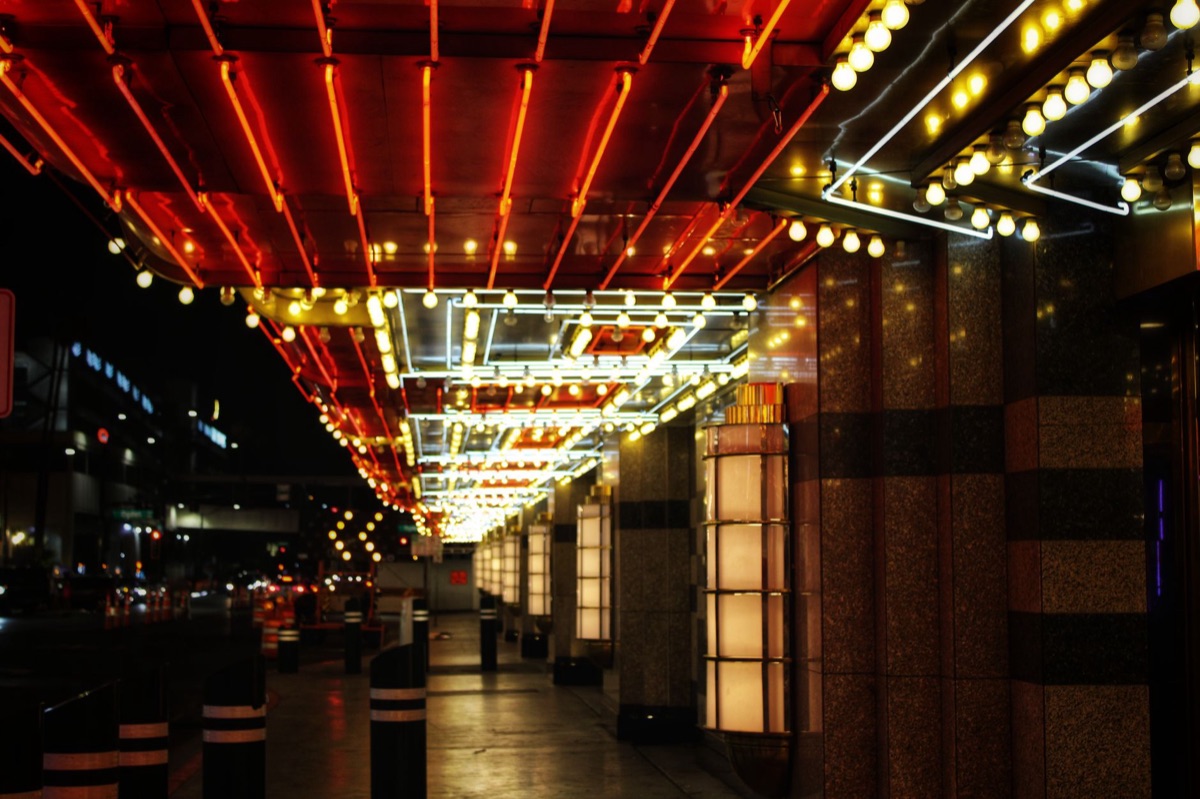
How was the brand established during the mid-century? A heavy velvet curtain pulled back in a dim, smoke-filled room at midnight, revealing a stage that felt worlds away from the desert outside. This was the birth of the "destination" concept.
The mid-20th century was the pivotal era that solidified the Las Vegas brand. It was during this time that the city moved away from being a collection of small-scale gambling dens toward becoming a curated leisure environment.
The concept of the "show" began to take root, integrating high-end entertainment with lodging.
Early establishments began to define what a visitor should expect: a sense of escapism. This transition from simple gambling to a full-scale entertainment experience laid the groundwork for the mega-resorts we see today.
It wasn't just about a game; it was about the atmosphere, the lights, and the theater of it all.
This era created a blueprint that would eventually allow the city to scale to heights no one could have imagined in the 1940s.
3. The 21st Century Inflection Point: The 2020 Census Snapshot
A digital map glowed in a quiet office at 9:00 AM, showing data points that stretched across continents, representing millions of moving parts. This is the reality of the modern era.
The 2020 Census acts as a crucial marker of the city's modern scale and demographic reach. It captures a moment where the city had moved far beyond its regional roots to become a global player.
While the census tracks local residency, it also highlights the massive scale of the transient population that keeps the city breathing.
To understand the sheer volume of people interacting with American tourism during this period, we can look at global trends. According to World Bank data, the United States recorded international tourist arrivals of 45,037,000 in 2020.
This massive scale of global movement underscores why a city like Las Vegas must maintain a world-class infrastructure to handle such high-volume, high-expectation visitation.
This modern influx reflects the city’s successful adaptation to global markets, proving that its growth is not just local, but international.
4. The Ecosystem of Spectacle: Beyond the Strip
The sound of a fountain splashing against marble met the distant roar of a crowd at 8:00 PM, creating a symphony of controlled chaos. This is the sensory reality of the modern Strip.
Modern success relies on a complex synergy between diverse offerings. It is no longer just about the casinos; it is about the dining, the shopping, and the massive architectural landmarks.
The relationship between the physical location of the Strip and the intangible "Vegas Experience" is what sustains visitor interest.
The city has created an ecosystem where luxury dining, high-end retail, and massive theater productions live side-by-side. This prevents the city from becoming a one-note destination.
By diversifying, the city ensures that there is always a new reason to return, whether it is a Michelin-starred meal or a residency by a global superstar.
This constant expansion of offerings makes the city feel like a self-contained universe, separate from the desert outside.
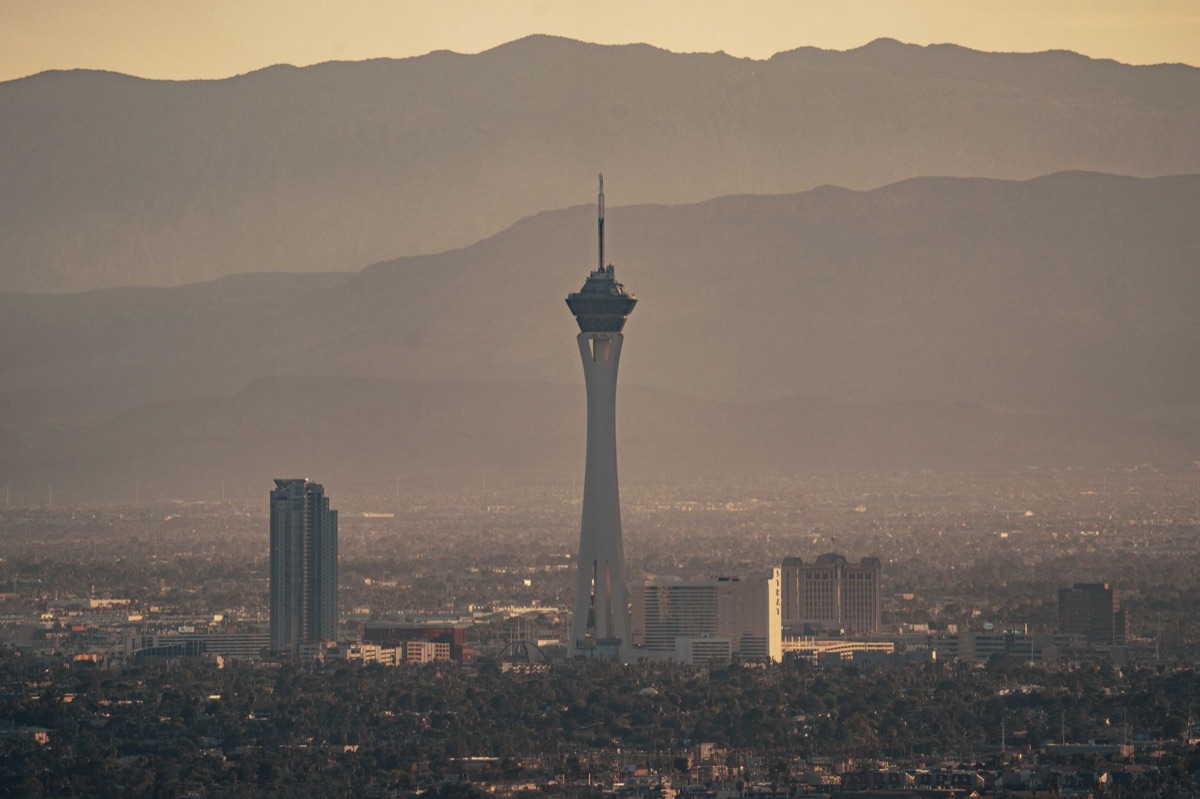
5. How do you navigate the scale of the city?
A traveler stands in a marble lobby at noon, looking at a digital kiosk that lists various "resort fees" and package options. The scale of the city can be overwhelming without a plan.
When I first walked through the massive doors of a major resort, the sheer size of the hallways and the confusing layout felt like a labyrinth designed to make me lose my sense of time and direction.
With the city's massive growth, navigating a trip requires understanding modern operational costs and logistics.
One of the most common points of confusion for visitors is the distinction between base room rates and "resort fees." These fees, often charged by hotels on the Strip, cover amenities like Wi-Fi, pool access, and fitness centers.
To maximize a visit and avoid being overwhelmed, follow these steps:
- Analyze the Total Cost: Always check if the nightly rate includes resort fees to avoid budget surprises at check-out. A room listed at $150 might actually cost $190 after fees.
- Choose a Strategic Location: Select a hotel based on your primary interest. Staying near the center of the Strip keeps you close to the action, while staying further north can offer more quiet and lower prices.
- Plan Your Transit: Use the Monorail or ride-sharing services to navigate the vast distances between resorts efficiently. Walking between major resorts can take 20 to 30 minutes.
- Time Your Arrival and Departure: Mid-week stays often offer significantly lower rates compared to weekend stays, which is crucial for budget management.
Proper planning allows you to navigate the scale of the city without feeling lost in the neon.
6. The limits of the spectacle
It is important to note that the "all-in-one" nature of the city isn't for everyone. The constant noise, the bright lights, and the high-density crowds can be exhausting for those seeking a quiet retreat.
The scale and the cost of living in a tourist-driven economy mean that the "perfect" experience is often subject to the volatility of travel seasons and economic shifts.
7. Enduring Spirit: The DNA of Resilience
A neon sign flickers, then hums back to life at 3:00 AM, casting a vibrant glow over a street that has seen decades of change. This resilience is the city's true heartbeat.
Las Vegas has a unique ability to survive economic downturns by rapidly pivoting its offerings. Whether it is shifting focus to conventions, sports, or family-friendly attractions, the city knows how to adapt. This ability to reinvent itself is its greatest strength.
The cultural code of the city is a blend of high-roller luxury and accessible spectacle. It is a place where the extravagant meets the everyday. This constant need for renewal is what maintains its status as a global entertainment magnet.
As long as the city continues to evolve, it will remain a centerpiece of American leisure culture.
#






Comments 0