Vegas: The Strip vs. Downtown - Know Your Destination Needs
"Las Vegas is not a single destination; it is a curated collision between the high-octane spectacle of The Strip and the authentic, revival spirit of Downtown."
Understanding the geography of this desert oasis is the difference between a seamless vacation and a logistical nightmare. To master the city, you must distinguish between the polished, massive-scale luxury of the Strip and the vintage, high-energy pulse of the Downtown area.
Key Takeaways * Dual Engines: The modern Vegas experience relies on two distinct zones: The Strip (global spectacle) and Downtown (gritty, historic revival).
* The Hotel is the Destination: In this city, your accommodation is often the primary attraction, featuring world-class dining, pools, and shows. * Strategic Planning: Success depends on matching your specific interests—whether luxury or local character—to the correct geographic hub.
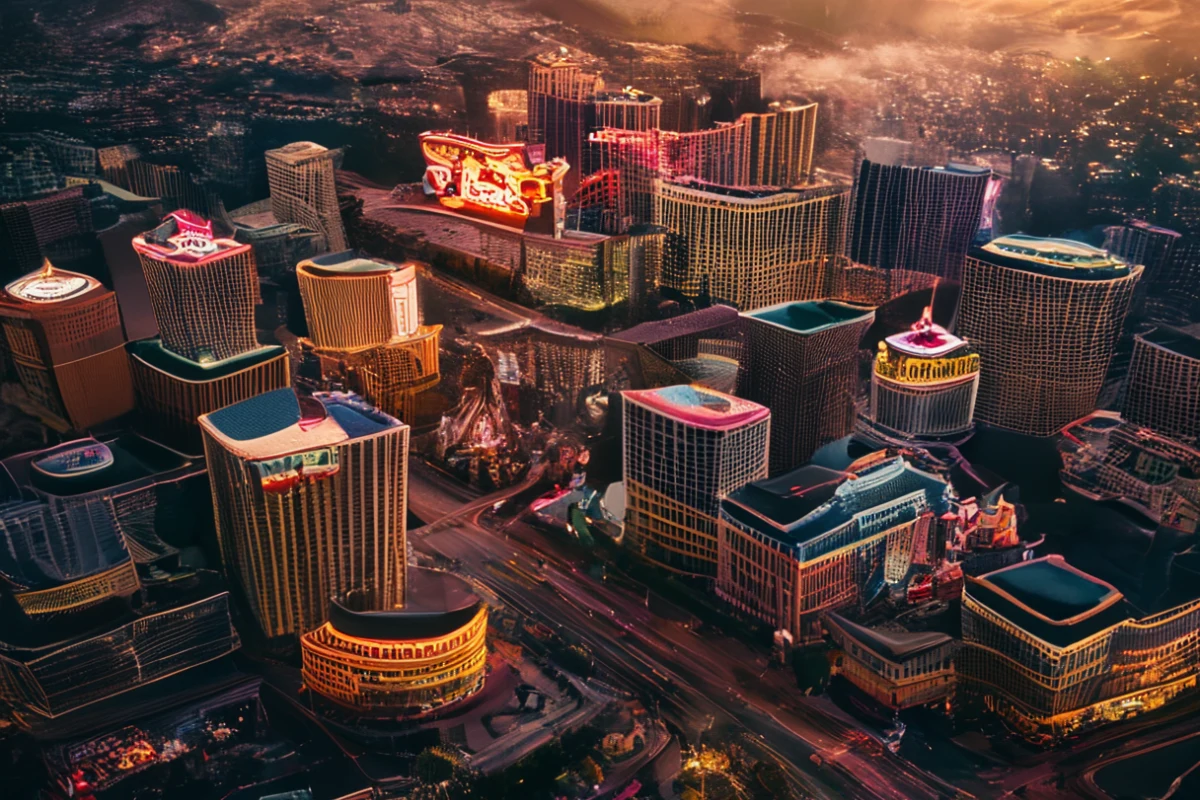
Why is Las Vegas a "City of Resorts," not just a Hotel Destination?
At noon, the heavy scent of jasmine drifts through the marble atrium as travelers wander aimlessly through the sprawling luxury estate.
Walking through the entrance of a massive resort like Caesars Palace at 2:00 PM, the sheer scale of the atrium often makes you forget that you are inside a building designed for sleep. You aren't just checking into a room; you are entering a self-contained ecosystem of light, sound, and luxury.
According to World Bank, the United States recorded international tourist arrivals of 45,037,000 in 2020.
The shift from simple lodging to immersive destination experiences has redefined the desert landscape. In most cities, a hotel is a place to rest between sightseeing excursions. In Las Vegas, the "spectacle economy" means the attractions are often inside the hotel walls.
You can spend an entire weekend without ever leaving the property, moving from a high-end steakhouse to a massive theater or a multi-level pool deck.
This concentration of attractions creates a unique, non-stop visual environment. On the Strip, the sheer density of massive displays—like the Bellagio Fountains or the sheer architectural audacity of the Sphere—creates a sense of constant motion.
While the Strip offers a polished, curated luxury that feels like a playground for the world, Downtown provides a spectrum of offerings that lean toward history and raw energy. This duality allows the city to cater to both the luxury seeker and the vintage enthusiast simultaneously.
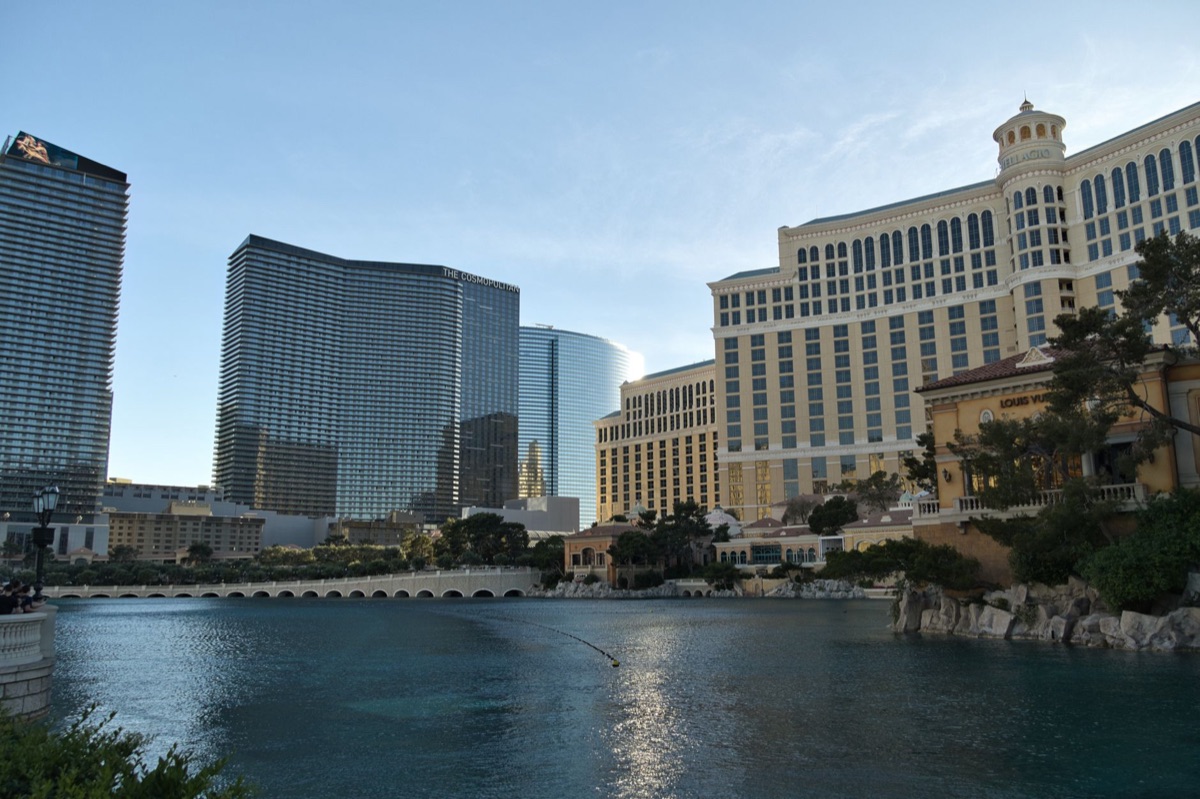
How do I navigate the world's biggest entertainment hub? Standing on the sidewalk of Las Vegas Boulevard at midnight, the neon lights reflect off the pavement, and the sheer volume of people moving toward the next massive entrance is overwhelming. It feels less like a street and more like a canyon of glass and gold.
The Strip functions as the global entertainment hub, where the hotel itself is the primary attraction. When you book a room at a major resort, you aren't just paying for a bed; you are paying for access to a specific lifestyle.
The pool scenes at luxury resorts often serve as social hubs that rival the famous nightclubs, and the dining venues are often world-renowned destinations in their own right.
The entertainment density here is unmatched. From the residency shows of global superstars to the massive scale of Cirque du Soleil productions, the sheer volume of high-production value entertainment is constant. However, the scale can be daunting.
Moving between resorts requires understanding the geographic flow. While many hotels are connected by walkways, the sheer distance between the northern and southern ends of the Strip can be deceptive.
Utilizing the Monorail or ride-sharing services is often more efficient than attempting to walk the entire length of the boulevard.
How can I find both authenticity and action downtown? Walking into the Fremont Street Experience at 11:00 PM, the atmosphere shifts instantly from the polished luxury of the Strip to a sensory overload of vintage neon and loud, rhythmic music. The air feels different here—thicker with history and a more immediate, unscripted energy.
Downtown Las Vegas offers a unique appeal that serves as the perfect counterpoint to the Strip. While the Strip is about massive, modern spectacle, Downtown is about character and the city's roots.
The Fremont Street area represents a revival of the original heart of the city, offering a localized vibe that feels more "Vegas" in the traditional sense.
The experiential contrast is sharp. Downtown is often less polished and more "gritty" than the Strip, which attracts those looking for an authentic, high-energy atmosphere. This is the place for vintage dining, local bars, and a more social, street-level interaction.
It is an ideal pairing for travelers who want to balance their luxury hotel stays with a night of immersive, old-school atmosphere.

Beyond the Hotel Door: How to Avoid the "Vegas Burnout"
Sitting at a cafe in a quiet corner of the hotel at 10:00 AM, you look at your itinerary and realize that a single day of walking could take ten hours. You realize that without a plan, the sheer scale of the city will swallow your schedule whole.
To avoid burnout, you must structure your visits around specific experiences. A common mistake is trying to do everything in one area in a single afternoon.
When I tried this during a trip in late 2025, I attempted to walk from the Venetian to the MGM Grand in one afternoon. I ended up exhausted and frustrated by the heat before I even reached the halfway point.
Instead, consider a strategy of "thematic days." You can follow this checklist to organize your time effectively:
- Define your Hub: Choose one primary area (Strip or Downtown) to be your "home base" for the day to minimize transit time.
- Schedule High-Energy vs. Low-Energy: Pair a high-energy show or club visit with a quiet, upscale dining experience to balance the sensory load.
- Build in Transit Buffers: Always allow for at least 30 to 45 minutes of travel time between major hotel properties, even if they look close on a map.
- Plan for the "Mid-Day Reset": Schedule a two-hour block in the afternoon for returning to your hotel to rest before the evening festivities begin.
Activity sequencing is key to a cohesive trip. Because the distance between the Strip and Downtown can take significant time depending on traffic, you should plan time buffers for travel. Never assume that two major attractions that look close on a map are actually within walking distance.
The Financial Reality: Understanding Your Vegas Spend
Looking at a hotel bill at checkout at 11:00 AM, the sudden appearance of a "Resort Fee" can be a jarring moment of reality. It is a reminder that the luxury of the environment comes with a specific, often hidden, cost structure.
The "all-inclusive illusion" is a common trap for the unwary. Many travelers assume that once they have paid for their room, the rest of their expenses will be manageable. However, the reality of the "Resort Fee" and other surcharges can significantly impact a budget.
These fees are often charged per night and can range from $40 to $55 per night at major resorts, covering amenities like Wi-Fi, pool access, and fitness centers. Over a four-day stay, that is an extra $160 to $220 not included in your initial booking.
When comparing value, it is helpful to look at the spectrum of expenditure. You can balance a high-end, $200-per-person dining experience one night with a high-quality, $35-per-person buffet the next.
Budgeting for variable costs is essential, especially regarding the local tipping culture and the cost of transit. Planning ahead allows you to enjoy the luxury without the sudden shock of the final bill.
| Feature | The Strip | Downtown |
|---|---|---|
| Primary Vibe | High-end luxury & spectacle | Vintage charm & local energy |
| Accommodation | Massive, modern resorts | Boutique hotels & historic stays |
| Atmosphere | Polished and curated | Gritty and authentic |
| Best For | World-class shows & luxury | Nightlife & local character |
#







Comments 0