Grand Canyon Trips: Vegas Gateway to Desert Majesty
"The desert doesn't care about your schedule, but your schedule definitely matters in the desert."
Planning a trip from the neon lights of the Las Vegas Strip to the ancient, silent depths of the Grand Canyon is a transition between two entirely different worlds.
To do it right, you need to balance the logistical intensity of a desert drive with the sheer scale of one of the world's greatest natural wonders.
Key Takeaways * The Vegas-to-Grand Canyon journey is a curated experience that requires strategic timing and specific tour selection to avoid burnout. * Maximize your visit by pairing your desert escape with specific Vegas Strip activities or choosing deep-dive overnight tours.
* Planning essentials include choosing between the South Rim and North Rim and understanding seasonal temperature shifts.
Why Choose Vegas as Your Grand Canyon Gateway?
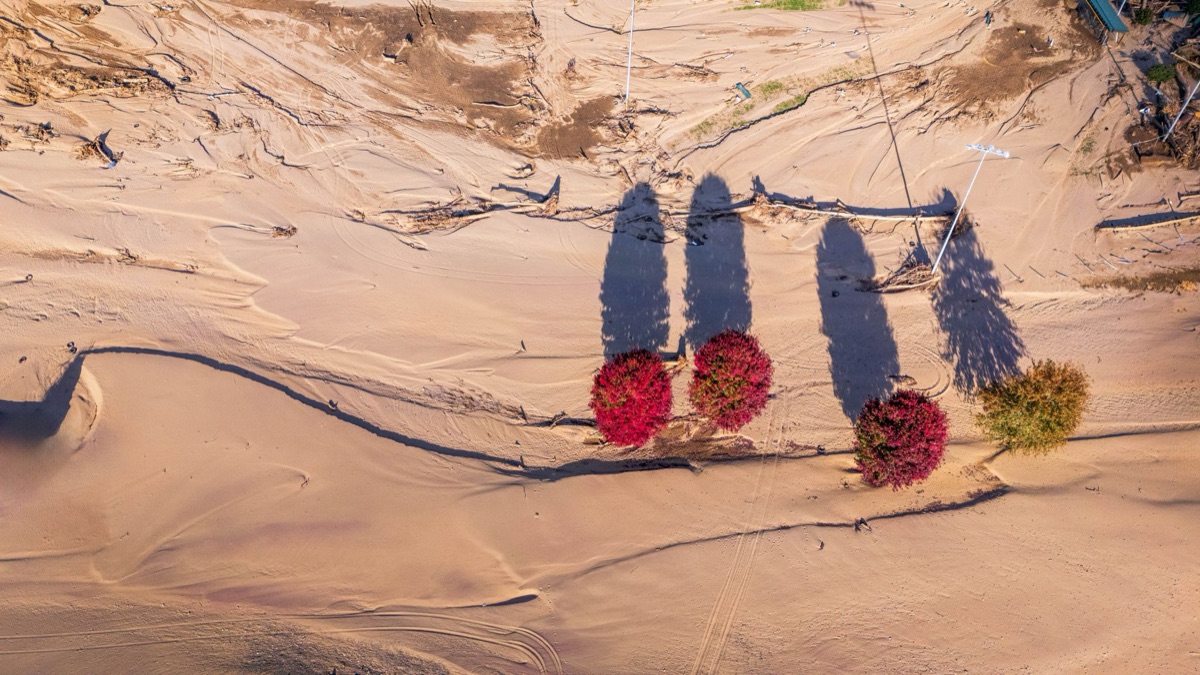
As the sun rises over the desert mountains, a traveler leans against a cool hotel balcony in Las Vegas and watches the morning light hit the valley.
The sun is just beginning to crest over the desert mountains as a tour van pulls away from a hotel near the Venetian, heading east toward the vastness of Arizona. According to World Bank, the United States recorded international tourist arrivals of 45,037,000 in 2020.
For many travelers, the transition from the high-energy atmosphere of a luxury resort to the profound silence of a canyon rim is the ultimate way to experience the American West.
Using Las Vegas as a base offers a unique logistical advantage. You have access to a massive hub of transportation, including international flights and a wide variety of professional tour operators that specialize in desert transit.
This allows you to treat the Grand Canyon as a magnificent chapter in a larger vacation rather than a standalone trekking expedition.
The "Vegas Vibe" allows for a specific type of travel rhythm: you can spend your nights in a climate-controlled oasis with world-class dining and your days immersed in geological history. This duality makes it easier to recover from the physical demands of sightseeing.
When deciding how to get there, you generally face two paths: self-driving or guided tours. Self-driving offers total autonomy—you can stop at Hoover Dam or Seligman on your way—but it requires navigating desert highways and managing your own fuel and navigation.
Guided tours provide guaranteed logistics, often including transportation, meals, and expert guides who can point out details you might otherwise miss.
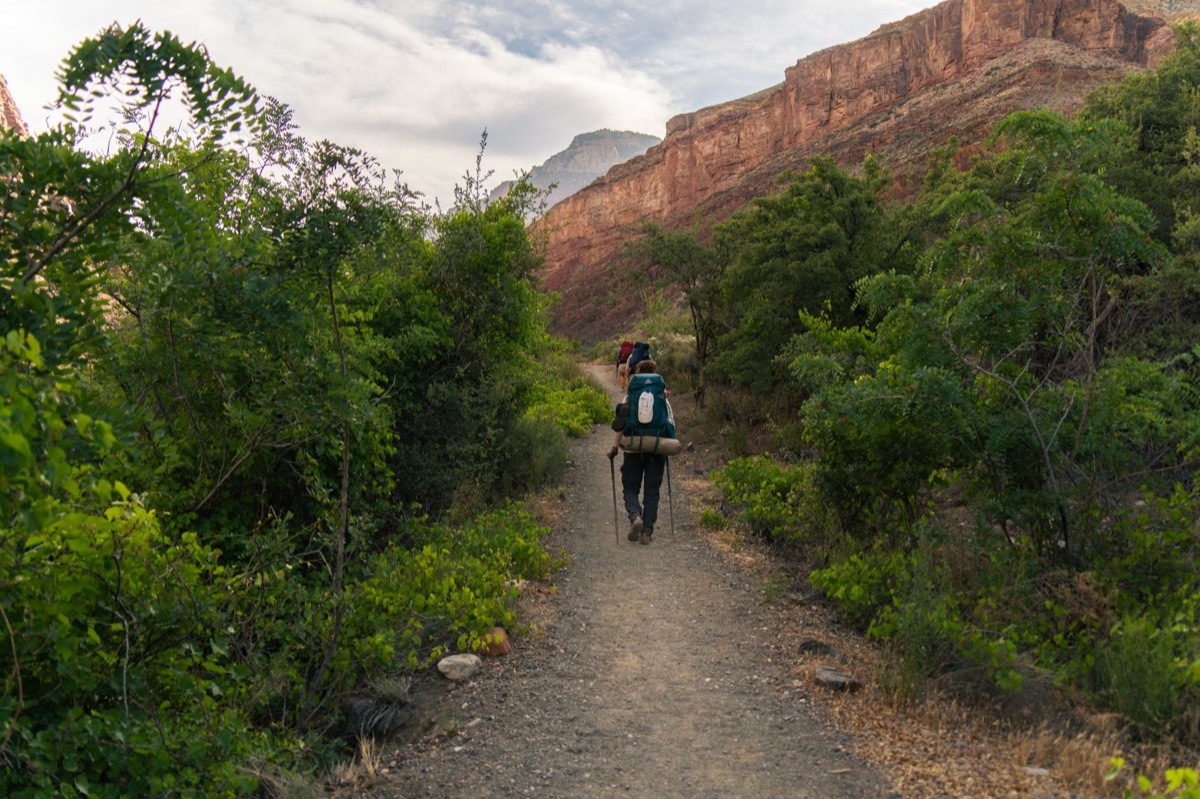
South or North Rim: which tour is perfect for me? A traveler stands at a crowded overlook, squinting against the midday sun as they try to comprehend the vastness of the red rock layers stretching toward the horizon.
The sheer scale of the canyon can be overwhelming, making the choice of which "rim" to visit the most important decision of your trip.
The South Rim is the most common destination for those traveling from Las Vegas. It is open year-round, features the most iconic vistas like Mather Point and Yavapai, and offers much better access to visitor centers and amenities.
If this is your first time, the South Rim is almost always the right choice because it provides the "classic" Grand Canyon experience.
The North Rim, conversely, is higher in elevation, cooler, and significantly more remote. It is often less crowded but is closed during the winter months due to heavy snow.
You should only prioritize the North Rim if you are looking for solitude or if you are an experienced hiker seeking a different topographical perspective.
When looking at tour logistics, you must compare the offerings of various operators. Some packages focus on the West Rim (which is closer to Vegas but technically part of the Hualapai Tribe lands), while others focus on the massive South Rim.
| Feature | South Rim | North Rim |
|---|---|---|
| Accessibility | High (Easy roads/shuttles) | Moderate (Winding roads) |
| Crowd Levels | High | Low |
| Seasonality | Open year-round | Closed in winter |
| Best For | First-timers & Families | Hikers & Solitude seekers |
When should I go for the best experience? The desert wind kicks up a fine layer of dust against a windshield as a traveler checks their watch, realizing they have exactly twenty minutes of golden light left before the sun disappears. Timing your visit is the difference between a breathtaking photo and a blurry, washed-out memory.
Seasonality plays a massive role in your comfort. Spring (March–May) and Fall (September–November) are the "sweet spots," offering moderate temperatures that make walking the rim trails pleasant.
Summer can bring intense heat that reaches well into the triple digits, while winter can bring freezing temperatures and snow that may close certain access roads.
To get the best views, you must plan around the "Golden Hour." Aim to arrive at a viewpoint for sunrise or sunset. The way the light hits the canyon walls during these times creates deep shadows and vibrant oranges that are impossible to see during the flat light of midday.
Because of this, booking in advance is non-negotiable. If you want to stay in a lodge inside the park or join a premium small-group tour, you often need to book months in advance.
Planning your trip during the shoulder seasons (Spring/Fall) can help you balance better weather with slightly lower prices than the peak summer rush.
Beyond the Viewpoint: Maximizing Your Vegas-to-Canyon Itinerary
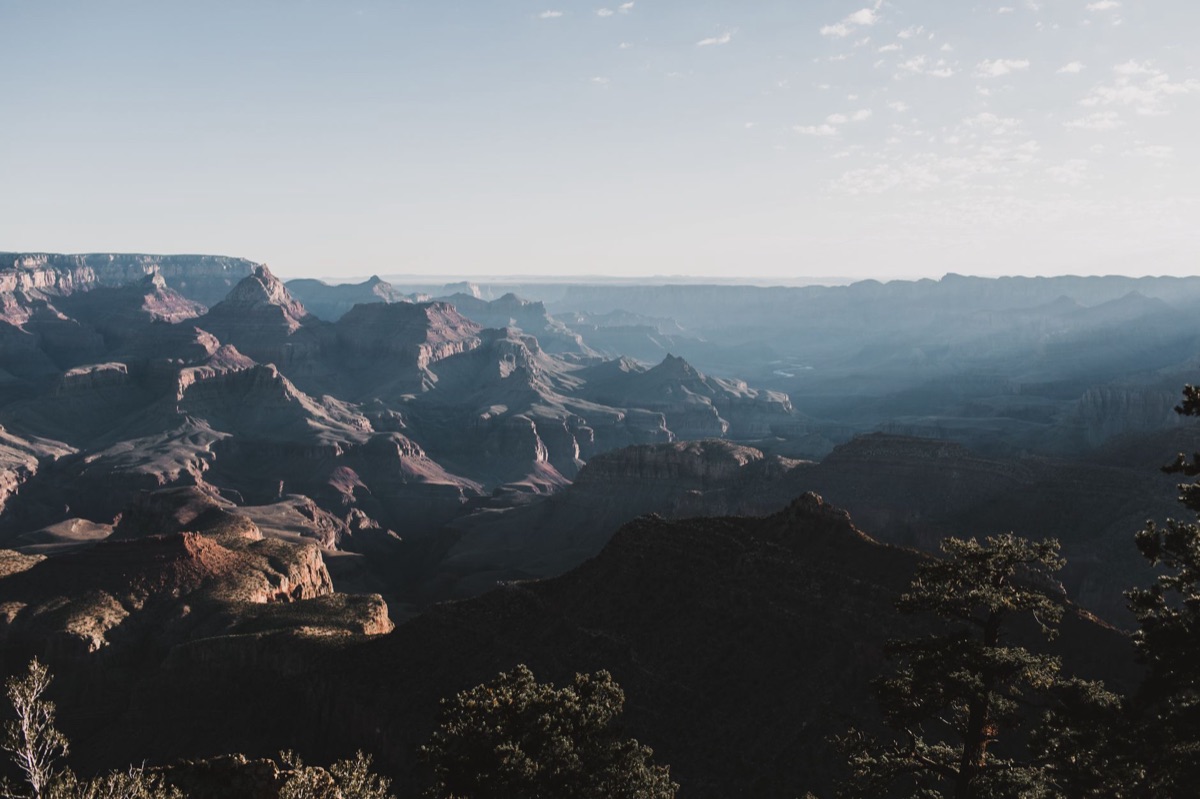
A couple sits in a quiet cafe in Flagstaff, sipping coffee and looking at a map, debating whether to head back to the neon lights or stay another night among the pines. The question of how much time to dedicate to the canyon is often the hardest part of the itinerary.
You must decide between a "Day Trip" or an "Overnight" stay. A day trip from Vegas is a long haul—often 4 to 5 hours of driving each way—but it allows you to stay in your luxury hotel every night.
An overnight stay, however, allows you to experience the canyon at sunrise and sunset without the rush, which is often the only way to truly "feel" the scale of the place.
For a balanced trip, consider a 2-day/3-night structure. Spend your first two nights in Las Vegas to acclimate and enjoy the city, then take a two-day excursion to the canyon. This prevents "travel fatigue" and ensures you aren't too exhausted to enjoy the sights.
* The Couple: Focus on scenic drives and sunset dinners at rim-side lodges. * The Family: Prioritize the South Rim for its easy walking paths and educational visitor centers. * The Thrill-Seeker: Look into helicopter tours from the Vegas area or mule trekking on the canyon trails.
Essential Logistics & Hidden Costs to Know Before You Book
A traveler reaches into a pocket for a wallet, realizing they need to account for the extra fees that weren't in the original tour price. In the desert, unexpected costs can quickly eat into a travel budget if you aren't prepared.
Understanding the difference between "Rim Fees" and "Tour Fees" is vital. Some tours include the National Park entrance fee in the base price, while others require you to pay at the gate separately. Always ask if gas, driver gratuity, or meals are included in your quoted price.
Packing is another logistical hurdle. The desert is a land of extremes; you might start the morning in a chilly jacket and end the afternoon in a t-shirt. The rule of thumb is to pack layers.
Additionally, since you will be at a higher altitude than Las Vegas, stay hydrated to avoid altitude sickness.
Before you depart, perform a quick vehicle readiness check if you are driving. Check your tire pressure, coolant levels, and spare tire. If you are taking a tour, double-check your reservation confirmation and the pickup location in Las much more carefully than you would a local city tour.







Comments 0