Las Vegas Scale: Beyond the Strip's Tourist Hotspots
"The neon lights of the Strip are just the tip of a massive desert iceberg."
When you land at Harry Reid International and catch your first glimpse of the sprawling valley, you realize the "city" is much larger than the hotels you see on postcards.
Understanding the difference between the tourist corridor and the actual residential and administrative scale of the region is the first step to navigating it effectively.
Key Takeaways * The modern Las Vegas experience spans a much larger geographical area than the immediate tourist corridor. * Understanding the county-level data, such as Clark County, provides context for the region's economic and residential scale.
* The city's identity is intrinsically linked to its unique cultural DNA, from neon-soaked streets to the vast desert oasis. * Visitor planning must account for the difference between the concentrated tourist zone and the broader metropolitan area.
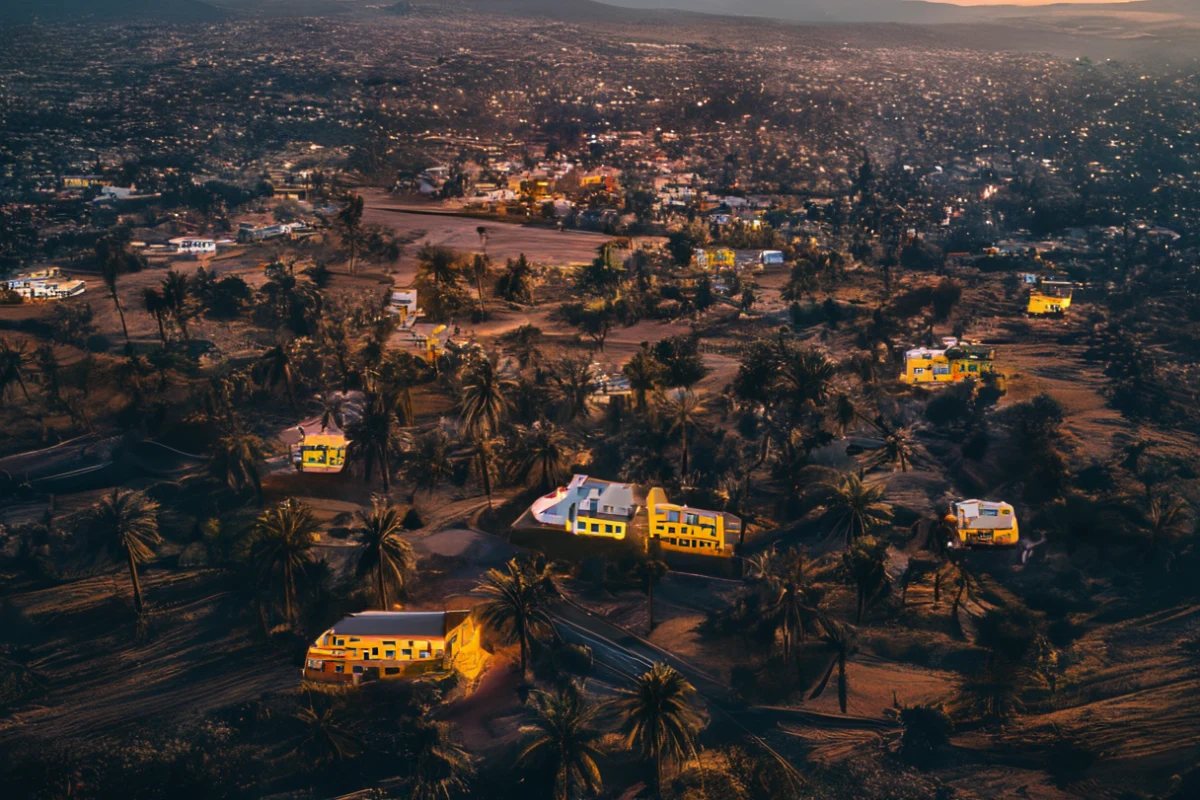
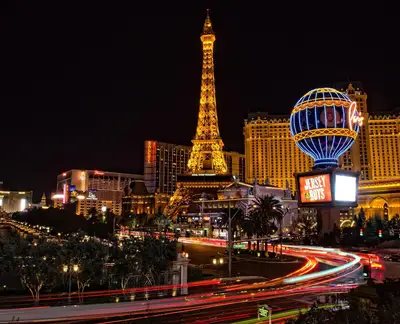
How far does Las Vegas actually reach? At 2:00 PM on a Tuesday, standing on the corner of Flamingo Road and Las Vegas Boulevard, the heat radiates off the asphalt and the sheer scale of the surrounding mountains makes the massive resorts look almost small.
You might feel like you are in the center of the world, yet the residential suburbs of Summerlin or Henderson feel worlds away. This sense of scale is the defining characteristic of the Mojave Desert landscape.
The "City of Las를" is a specific municipality, but it is often overshadowed by the unincorporated township of the Las Vegas Strip and the massive Clark County administration.
While the city center holds historical significance, the functional heart of the tourism industry actually sits largely outside the formal city limits.
This distinction is vital because the infrastructure, law enforcement, and services that keep the lights on are managed at a much larger scale than a single city council might suggest.
Historically, the area's boundaries and land use were shaped by the rugged terrain and the need to manage vast stretches of desert.
For instance, the history of land management in the region is complex, with areas like the 144-square-mile territory around Yucca Mountain being enclosed by Nye County, a detail that highlights how sprawling and segmented Nevada's land use can be.
This geographic fragmentation means that while you might be staying in a "Las Vegas" hotel, you are often navigating a patchwork of different jurisdictions and residential zones.
As you step out of a taxi and realize the desert stretches infinitely in every direction, you begin to wonder how so many people can live and work in such an expansive space.
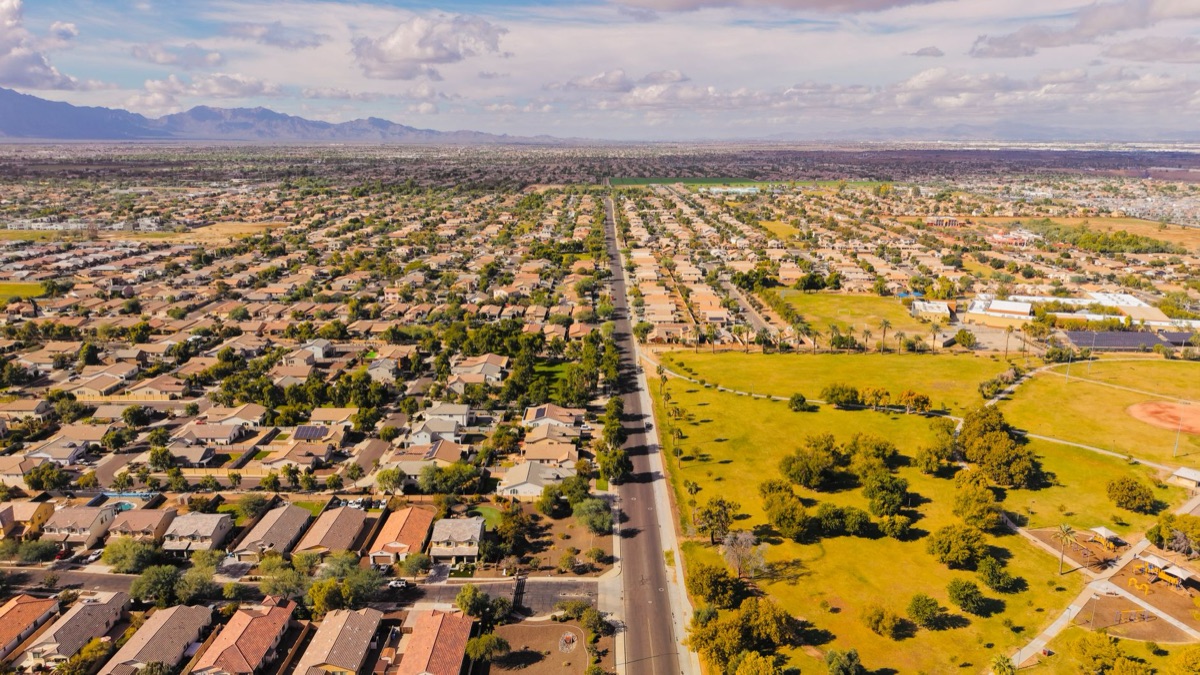
Who actually lives here behind the neon? At dawn, a commuter grips a lukewarm coffee cup while standing shoulder-to-shoulder with strangers in a crowded elevator.
Standing in a crowded elevator at a mid-tier hotel at 8:00 AM, you see a snapshot of the world: tourists, hotel staff, and local commuters all squeezed into one vertical space. This mixture is the living reality of the local population.
When people search for the "Las Vegas population," they are often looking for one of two things: the number of people living in the residential suburbs or the number of people present in the valley at any given time.
The residential base is a stable, growing community, but the "functional" population fluctuates wildly based on the visitor economy. The influx of workers and tourists creates a massive, transient population that the local infrastructure must support daily.
The demographic history of the area is equally complex and has shifted significantly over the decades.
For example, historical records show that due to specific employment deals with black worker groups, many clubs favored black workers, and the Hispanic population actually decreased 90% from 2,275 to just 236 by the mid-1950s.
Later, the demographic landscape changed again; the rate of change slowed in the 1970s with the decrease of the white birth rate, but it never dropped below 60% between 1980 and 1990, and it even accelerated after 1990 due to immigration.
These shifts created the diverse, multicultural workforce that keeps the massive resorts running 24/7. Understanding these human shifts helps explain why the city feels so much like a melting pot of different cultures and backgrounds.
But the human element is only one part of the equation; the money tells a different story.
The Scale of the Modern Visitor Economy
At 3:00 AM, the Strip is a beehive of activity, with thousands of people moving between casinos, restaurants, and theaters. This constant motion is the engine of the regional economy. According to World Bank data, the United States recorded international tourist arrivals of 45,037,000 in 2020.
The economy of the Las Vegas metropolitan area is driven by a delicate balance between the transient visitor economy and the year-round operational needs of the residential population.
While the "tourist" economy brings in the revenue, the "support" economy—the people who work in logistics, food supply, and maintenance—is what makes the spectacle possible. The region sustains itself through a massive industrial and service-based backbone that extends far beyond the neon lights.
This economic engine is subject to significant fluctuations.
For example, recent data shows that Las Vegas Strip casino profits saw a shift in 2025, where net income was reported to have taken a sharp downturn from 2024 by 81.2%, while downtown casinos experienced a 20.2% decline, posting a slightly higher net income than casinos on The Strip in 2025.
These shifts demonstrate how the economy is not a monolith; different parts of the city react differently to economic trends and visitor habits. The sheer scale of this economic machine requires an immense amount of resources to keep the desert oasis blooming.
Environmental and Resource Context
Stepping out of a climate-controlled casino into the blistering afternoon heat, the reality of the desert becomes an immediate, physical sensation. The dry air and intense sun serve as a constant reminder of the environment.
Operating a metropolis of this size in the middle of a desert presents unique challenges, particularly regarding water and energy.
The sustainability of the region depends on sophisticated water management and a reliable power grid that can handle the massive cooling requirements of sprawling resorts and residential neighborhoods.
The tension between the desire for luxury and the reality of desert resource limits is a constant theme in local urban planning.
The environmental conditions can be extreme and unpredictable. Visitors must be prepared for sudden temperature spikes and the unique challenges of living in an arid climate. The management of these resources is a matter of survival and economic stability for the entire Clark County area.
As you plan your itinerary, you must consider how the vastness of the landscape and the climate will impact your daily movements.
Visitor Planning: Where Does Your Trip Take You?
Looking at a map of the valley, you see that the distance between a hotel on the North Strip and a residential area in Henderson can feel like a cross-country journey. This spatial reality dictates how you should structure your time.
When planning a trip, you must decide if you are visiting the "Strip" or the "Las Vegas Area."
If your goal is purely entertainment, staying in the central corridor minimizes travel time. However, if you want to explore the broader culture or visit nearby natural wonders, you need to account for significant transit times.
The scale of the area means that "getting across town" can take much longer than it would in a more compact city.
To make the most of your visit, follow these steps to navigate the scale of the city:
- Identify your "Home Base": Decide if you want to be in the center of the action (The Strip/Downtown) or in a quieter residential area (Summerlin/Henderson).
- Group Activities Geographically: Avoid traveling from the North Strip to the South Strip and back in a single afternoon; group your visits by neighborhood.
- Account for Transit Time: Always add 30 minutes to your estimated travel time when moving between the Strip and the residential suburbs.
- Check the Season: Be aware of how summer heat or winter breezes will affect your ability to walk between locations.
| Feature | The Strip / Downtown | Residential Suburbs (e.g., Summerlin) |
|---|---|---|
| Atmosphere | High energy, neon, constant noise | Quiet, family-oriented, scenic |
| Primary Activity | Gambling, shows, nightlife | Hiking, shopping, local dining |
| Accessibility | High walkability and transit access | Requires a car or rideshare |
| Cost Level | Generally higher (Resort fees) | Variable (More residential pricing) |
Limitations and Trade-offs It is important to note that while the "Las Vegas" identity is often tied to the Strip, the residential and industrial areas do not offer the same level of tourist amenities.
Choosing a residential area can save money and provide a more "local" feel, but it increases your reliance on cars and leaves you further from the primary attractions.
FAQ
Q: Is Las Vegas just the Strip? A: No. The Strip is a specific corridor of hotels and casinos. The actual Las Vegas area includes a massive residential and industrial footprint, including the city and various unincorporated townships.
Q: How does the city compare to the county? A: The city and the Strip are the entertainment and commercial cores, while Clark County provides the broader residential, logistical, and administrative base that supports the entire region.
Q: What are the environmental realities visitors should know? A: The desert environment is harsh. Extreme heat and low humidity are constant factors that require careful planning and hydration.






Comments 0