Las Vegas: From 1 Acre to Global Oasis Destination
"The neon lights we see today are merely the brightest leaves on a tree that grew from a very small, dusty seed."
To understand why the Strip feels so massive and overwhelming, you have to realize it didn't start as a sprawling metropolis. It began as a tiny settlement that eventually swallowed the desert to create the world's most famous oasis.
Key Takeaways * The original settlement was a mere fraction of the size of the current sprawling metropolis. * The transition from a local outpost to a global hub was driven by massive geographical expansion. * Modern resorts serve as the living successors to the original desert development.
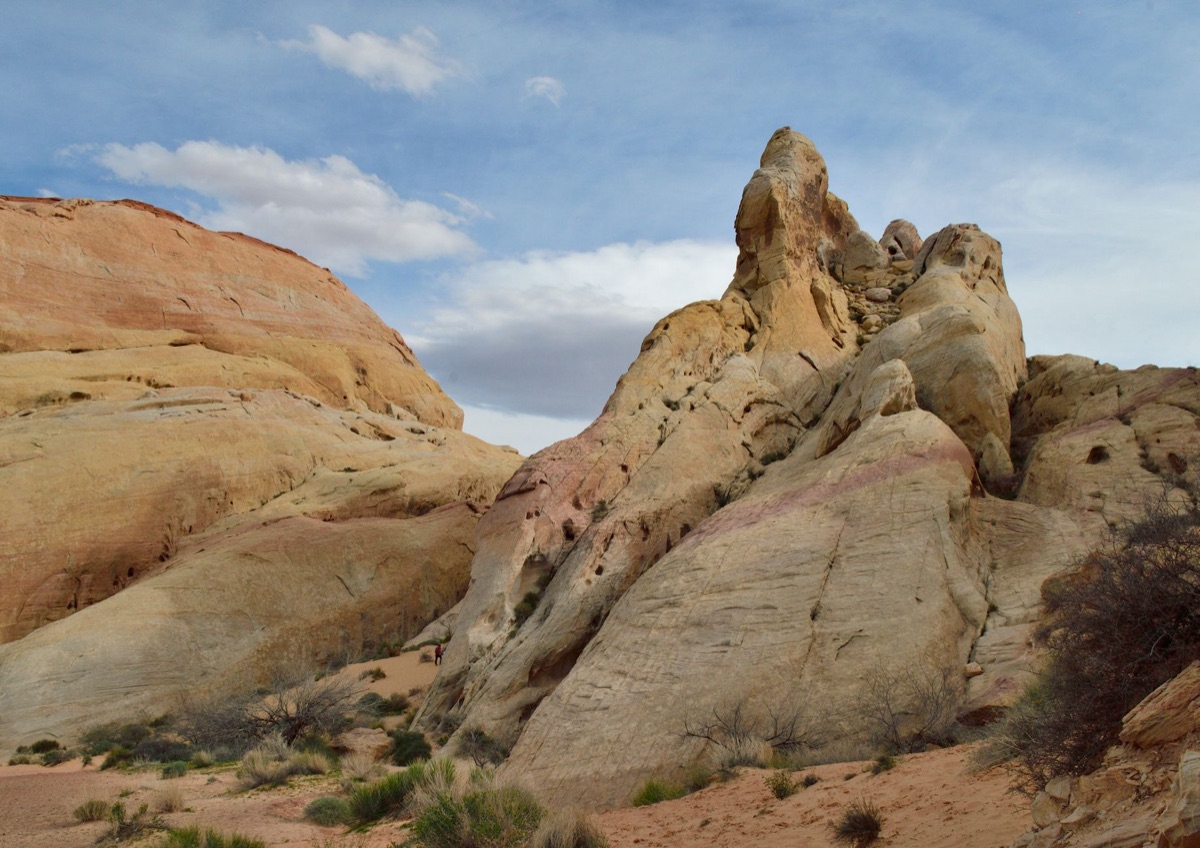
How big was the original footprint of Las Vegas? I remember standing on a high ridge overlooking the valley during a desert hike in the late afternoon of 2025, looking at the vast expanse of asphalt and neon and trying to imagine the silence that must have existed where the Strip now stands.
There were no towering glass structures, just the heat and the wind.
The scale of change is difficult to grasp without looking at the numbers.
That single square mile was the entire world for the early settlers, a tiny speck of civilization surrounded by nothing but Mojave desert.
This initial phase of development was focused on survival and basic utility rather than the spectacle we see today. The shift from that one-square-mile nucleus to the massive 33.4-square-mile footprint represents one of the most aggressive urban expansions in American history.
As the boundaries pushed outward, the identity of the town shifted from a transit stop to a destination.
The sheer difference in size explains why the modern Strip feels so disconnected from the "old" town. We are walking on ground that was once considered the edge of the world.

How Did the Valley Evolve into a Destination?
Walking through the vintage neon museums in the late afternoon, you can see the transition from functional desert architecture to the extravagant styles that define the modern era. The shadows of the desert buildings seem to stretch toward the bright lights of the newer resorts.
The evolution happened in distinct phases. First, there was the era of the local outpost, where the town served as a vital stop for travelers and those working on regional infrastructure.
Then came the shift toward a regional attraction, where the unique desert landscape and the promise of excitement began to draw people from across the state and beyond.
Infrastructure was the silent engine of this growth. The development of reliable roads and the expansion of the valley allowed the settlement to grow outward from its original center.
This growth wasn't just about buildings; it was about creating a reliable way to move thousands of people into the heart of the desert.
As the infrastructure caught up to the ambition, the small town began to transform into the regional powerhouse we recognize. This growth set the stage for the massive influx of people that would eventually change the desert forever.
Is the modern Strip a living museum of desert culture? Standing at the base of a massive resort tower at midnight, the sheer verticality of the architecture makes you realize how much the desert has been reshaped. The lights reflect off the glass, casting a glow that masks the rugged terrain that used to dominate the view.
The modern Strip is essentially a living museum of desert culture and human ambition. While the buildings look futuristic, they often reflect the layered history of the valley.
Some resorts use architectural nods to the mid-century era, while others lean into the grand, sprawling styles of the modern age.
These resorts function as a cultural magnet, drawing people from every corner of the globe. They aren't just hotels; they are self-contained cities that integrate modern entertainment into a historically challenging environment.
The integration of massive shows and luxury amenities within this desert setting is a feat of engineering and design.
This environment creates a unique tension between the natural desert and the man-made spectacle. It is a place where the history of the valley is constantly being rewritten by the next great architectural marvel.
Beyond the Neon: The Broader Las Vegas Valley Context
Driving away from the bright lights toward the darker outskirts of the valley at 11:00 PM, the transition is jarring. The sudden drop in light and the reappearance of the desert horizon remind you that the neon is just a thin layer over a vast, ancient landscape.
The relationship between the Strip and the wider Las Vegas Valley is one of total interdependence. The Strip provides the economic engine, but the wider valley provides the living space, the residential communities, and the logistical support. The Strip is the heart, but the valley is the body.
Surrounding areas serve as the essential access points and residential hubs that make the massive scale of the Strip possible. The natural surroundings, though often obscured by urban sprawl, still dictate the climate and the lifestyle of the region.
This context informs the visitor experience, reminding us that we are in a desert oasis, no matter how much concrete we walk on.
Understanding this ecosystem helps you realize that the Strip doesn't exist in a vacuum. It is part of a much larger, complex desert environment.
How to Navigate the Expansion: A Checklist
When you first arrive at a massive desert hub, the scale can be disorienting. To make sense of the transition from the old footprint to the new, follow these steps:
- Identify the "Old Town" center to understand the original 1-square-mile scale.
- Map the transit corridors that connect the residential valley to the central Strip.
- Observe the architectural shift from low-rise desert utility to high-rise luxury.
- piece 4. Recognize the distinction between the economic engine and the residential living spaces.
Milestones in Tourism: A Look at the Scale
Looking at a modern terminal at the airport in the early morning of 2026, seeing the endless stream of travelers from every continent, you realize the scale of the success. The sheer volume of people moving through the valley is a testament to how far the original one-square-mile town has come.
The scale of modern tourism is staggering. While the growth was gradual at first, the ability to host millions of people annually is a massive leap from the town's origins. This growth reflects the successful evolution of a small desert settlement into a global landmark.
To put the scale of global movement into perspective, the United States recorded international tourist arrivals of 45,037,000 in 2020, according to World Bank data.
While the world changed during that time, the capacity for mass movement and the desire to visit iconic destinations remained a driving force in global travel.
The ability to manage such a massive volume of people is what defines the modern era of the Las Vegas Valley. The transition from a tiny outpost to a global destination is complete.
***
Note on Scale and Environment It is important to recognize that the massive urban expansion and the intense energy of the Strip do not apply to the surrounding natural desert preserves.
The technological and economic success of the urban center relies on a delicate balance with the environment that cannot be replicated in the wilder, protected areas of the valley.
#






Comments 0