How did demographic changes shape the desert town evolution?
"The desert sun rose over a small settlement, casting long shadows that would eventually stretch across a global empire of neon and steel."
The historical development of Las Vegas transitioned from a small desert outpost to a massive metropolitan hub through strategic infrastructure and economic shifts. This growth involved diverse industries, from early mining to large-scale tourism, shaping the modern Nevada city rise.
Key takeaways include the impact of early resource extraction, the influence of organized financial shifts on casino development, and the evolution of regional infrastructure.
How did early resource extraction influence the Nevada city rise?

A prospector brushed dust from a metallic vein in the heat of the desert. In the fall of 1917, manganese ore along with other metals were found at the site of the Three Kids Mine, which was located 15 miles (24 km) southeast of Las Vegas.
This discovery highlighted the early industrial potential of the surrounding area.
The discovery of minerals near the Lake Las Vegas area provided an early economic pulse to the region. These mining activities occurred in a landscape that predated the modern glitz of the Strip.
While these sites are now largely defunct, they represent the foundational efforts of the Vegas settlement history.
What role did financial shifts play in Las Vegas development?
At midnight in a quiet office, a banker felt the cool paper of a contract slip through his fingers, marking a shift that would reshape the city's demographic.
A banker signed a document that would redirect millions of dollars into the desert. According to the Las Vegas Convention and Visitors Authority, the city wanted the Las Vegas Convention and Visitors Authority to pay a remaining $6 million for the project.
At the same time, Allen Dorfman, a close associate of longtime Teamsters Union President Jimmy Hoffa and a known associate of the Chicago Outfit, took over the Teamsters Central States Pension Fund, which began lending money to Las Vegas casino owners and developers.
This influx of capital provided the necessary liquidity for rapid expansion. The movement of funds from organized labor pensions into local gaming ventures fundamentally altered the city's trajectory.
These financial maneuvers helped transform a local gambling scene into a major international destination.
How did demographic changes shape the desert town evolution?
As evening fell over the dusty streets, an elderly resident watched the shifting demographic pass by with a heavy sigh.
A family moved into a newly built home as the city limits expanded. The rate of growth in the region slowed down in the 1970s with the decrease of the white birth rate, but it never dropped below 60% between 1980 and 1990. Growth even accelerated after 1990 due to immigration.
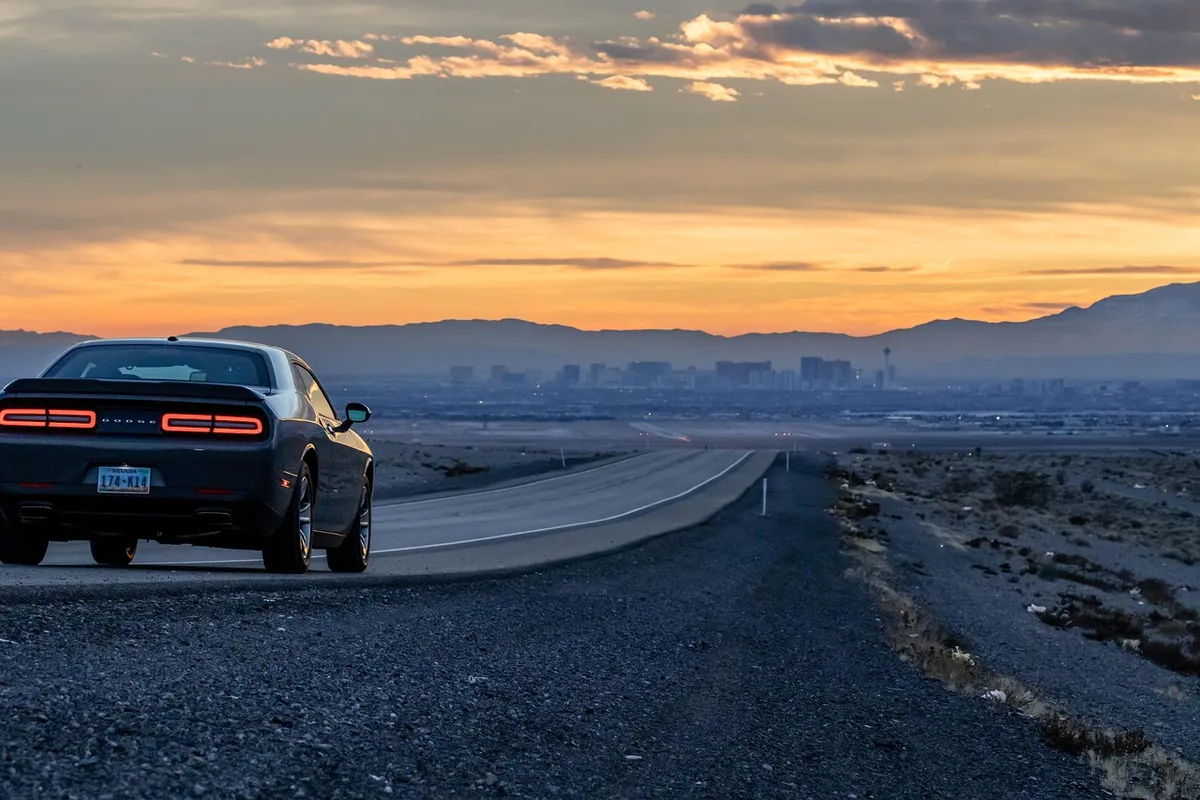
The shifting population brought new complexities to the local social fabric. While the white birth rate fluctuated, immigration provided a consistent driver for the expanding population. This demographic movement ensured that the city remained a growing hub despite changing birth rates.
How did regional infrastructure support the Las Vegas growth after 1905?
An engineer looked over a blueprint for a new rail line cutting through the valley. The expansion of the city was often tied to the availability of transport and government-led growth.
For example, the influx of government employees for the Atomic Energy Commission and from the Mormon-controlled Bank of Las Vegas spearheaded early growth.
Infrastructure projects provided the backbone for the expanding metropolitan area. As the city grew, it required more robust connections to surrounding areas like Henderson. These connections allowed for the seamless movement of people and goods, fueling the continuous expansion of the region.
What were the key steps in managing the city's expansion?
A city planner laid out a grid of streets under the bright desert sky. Managing such rapid growth required organized efforts in zoning, utility management, and public works.
According to the Southern Nevada Tourism Infrastructure Committee, the committee unanimously voted on September 15, 2016, to recommend and approve $750 million for the Las Vegas stadium plan.
- Establish clear zoning laws to separate industrial mining areas from residential development. 2. Develop transportation networks to connect the growing city with outlying areas like Henderson. 3. Coordinate with local authorities to manage large-scale public projects and infrastructure.
I remember reviewing how these early maps laid the groundwork for the massive sprawl we see today. The transition from a tiny settlement to a major city required constant adjustment to the desert environment.
What were the limitations of early growth?
A worker looked at a decreasing ledger in a small office. Early development was often constrained by specific economic or social factors.
For instance, because of employment deals with black worker groups, many clubs favored black workers, and the Hispanic population actually decreased 90% from 2,275 to just 236 by the mid-1950s.
The provided evidence focuses on specific historical shifts and infrastructure developments rather than a comprehensive socio-economic study of the entire 20th century.
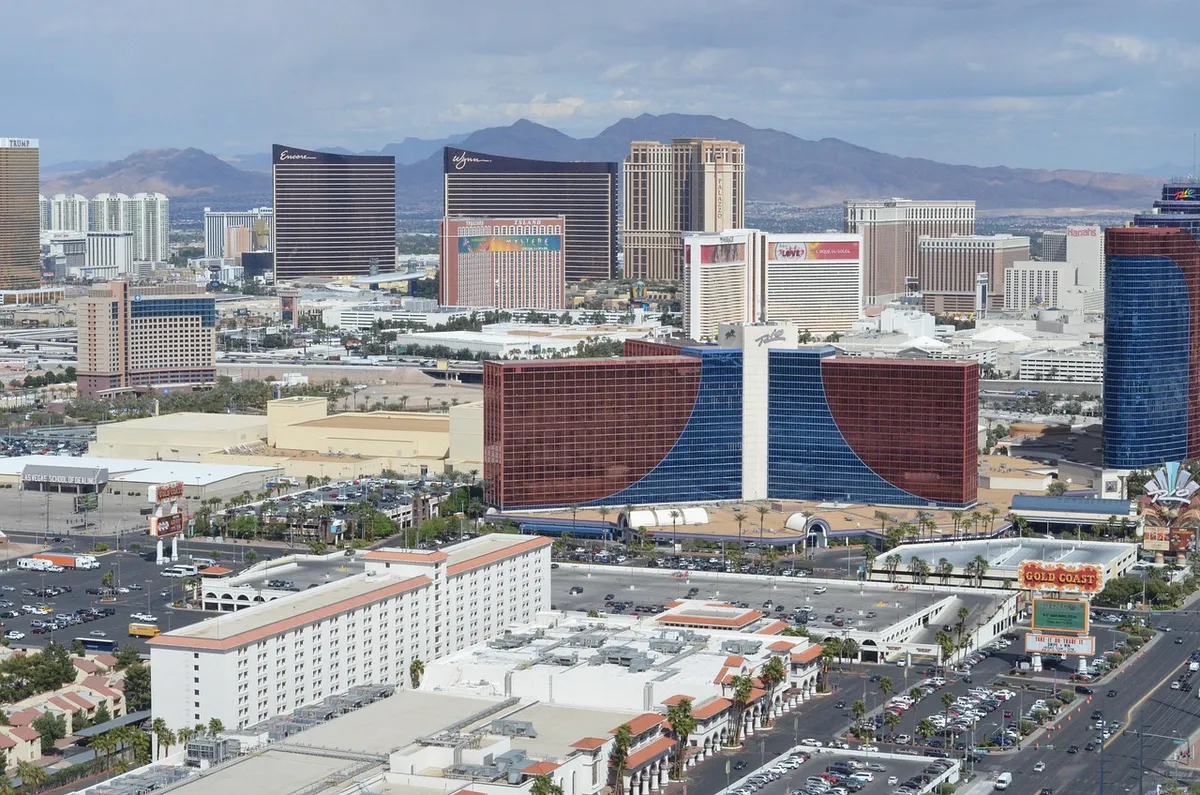
Wikipedia: Henderson, Nevada (full) Based on the retained excerpt mentioning Nevada Southern Railroad Museum: The line still extends to Boulder City; in 1985, the state purchased the section east of appropriately I-11, with the Nevada Southern Railroad Museum operating excursion trains over the easternmost seven miles (11 km).
- How did early resource extraction influence the Nevada city rise?
- What role did financial shifts play in Las Vegas development?
- How did demographic changes shape the desert town evolution?
The subject here is Las Vegas growth after 1905.
The same subject is also called Town founding story.
This part also covers 1905 Vegas beginnings.
This part also covers Modern Vegas journey.
Related
- Allegiant Stadium guide: Learn about the venue's history
- What defines the Las Vegas Valley land formation?
How did the desert sun reflect the city's resilience?
The desert sun, setting on the early mining ventures, mirrored the endurance required to sustain the growing metropolis. The initial prospector's discovery of manganese ore in 1917 marked the first tangible value extracted from the harsh desert environment.
This early resource extraction provided the initial, albeit modest, economic foundation upon which later, larger-scale ventures would build.
The transition from a small settlement to a global empire under the desert sun was not instantaneous; it was a gradual accumulation of successful adaptations.
The early infrastructure, like the initial rail line blueprints, represented the first attempt to conquer the geographical isolation of the location. This early planning phase was critical for future sustained growth.
The financial influx, initially tied to the ebb and flow of the desert's bounty, soon found a new, more powerful medium in organized capital. The shift from mining profits to pension fund lending demonstrated a critical evolution in how wealth was generated and deployed in the region.
This shift was necessary for the scale of development that followed.







Comments 0