Las Vegas Trip: Maximize Your 3 Days, Minimize Burnout
"The lights of the Strip never sleep, but your energy might."
If you only have 72 hours in the desert, you cannot afford to wander aimlessly. A successful Las Vegas trip isn't about seeing everything; it is about seeing the right things in the right order to avoid burnout and empty pockets.
Key Takeaways * Location is Everything: Your hotel choice dictates your transit time and energy levels; pick a "base camp" that matches your vibe. * Balance the Budget: Mix expensive shows and steakhouses with world-class free spectacles like the Bellagio Fountains.
* Strategic Pacing: Use one day for the neon, one for the nature, and one for the recovery to ensure you actually enjoy the trip.

Where should I set up my base camp? The sun beats down on the asphalt at noon, and the heat can be unforgiving. In June 2017, a heat wave grounded more than 40 airline flights of small aircraft, and the city tied a record high of 117 degrees Fahrenheit.
According to World Bank data, the United States recorded international tourist arrivals of 45,037,000 in 2020.
When you step out of a sliding glass door and the desert air hits you, you realize that your hotel isn't just a room—it is your sanctuary and your logistics hub.
In Las Vegas, the hotel you book is essentially 50% of your itinerary. If you stay at a luxury resort in the center of the Strip, you can walk to half the major attractions.
If you stay too far north or south to save a few dollars, you will spend a significant portion of your 3-day window sitting in Ubers or waiting for monorails.
When selecting a hotel, you must weigh the "Resort Fee" against the convenience. Most major hotels charge a daily fee that covers amenities like Wi-Fi and pool access, but it can catch travelers off guard when checking out.
If you choose a hotel with a world-class pool, you might find yourself spending more time lounging and less time exploring, which is a valid way to spend a vacation.
Always match the hotel's "personality" to your group. A high-energy hotel near the center of the Strip is perfect for friend groups, while a more quiet, luxury-focused hotel might be better for couples.
| Hotel Category | Best For | Pros | Cons |
|---|---|---|---|
| Center Strip | First-timers | Walking distance to everything | High noise and crowds |
| North Strip | Budget/Families | Larger rooms and pools | Further from the action |
| Downtown/Fremont | Vintage Lovers | Authentic Vegas vibe | Different atmosphere than the Strip |
Choosing the right room is just the beginning; the real magic happens when you step out into the neon glow.

How do I master the art of sightseeing? The evening air cools slightly, and the neon signs begin to hum with life. You stand on a pedestrian bridge, looking down at the sprawling labyrinth of lights and the massive structures that seem to glow from within.
You do not need a massive budget to see the best of the Strip. The most iconic moments—the dancing water of the Bellagio Fountains and the dramatic fire of the Mirage Volcano—cost nothing but your time and a bit of walking. The key to a perfect "life shot" is timing.
The fountains are best viewed at night when the light hits the water, and the architecture of the hotels is best captured during the "blue hour" just after sunset.
Navigating the Strip requires a strategy. It looks walkable on a map, but the distances are deceptive. Use landmarks as checkpoints. If you are at the Caesars Palace area, don't try to walk to the Wynn in one go; you will likely end up exhausted and frustrated.
Instead, break the Strip into segments and use the monorail or rideshare services to jump between them.
For those who want a taste of the "Old Vegas" vibe, a trip to Fremont Street is essential. It offers a gritty, vintage contrast to the polished luxury of the Strip. However, keep in mind that the transit between the Strip and Downtown can take 20 to 30 minutes depending on traffic.
The lights and the architecture provide the backdrop, but the soul of the trip often lies in the meals and the performances.
Show and Dining: Where to Splurge and Where to Save
A waiter sets a heavy white linen napkin on the table, and the scent of a perfectly seared steak fills the air. The atmosphere is electric, a mix of high-end luxury and the constant hum of a city that never stops.
Deciding between a Broadway-style show and a world-class buffet is the classic Vegas dilemma. For a 3-day trip, I recommend choosing one "big" show—something like a Cirque du Soleil production—and one "splurge" meal.
This leaves room in your budget and your schedule for more casual dining and spontaneous activities.
When it comes to shows, match the performance to the crowd. If you are traveling with a partner, a residency show featuring a famous musician might be more memorable. If you are with a group of friends, a high-energy magic show or an acrobatic spectacle might fit the mood better.
Dining in Vegas ranges from massive, extravagant buffets to intimate, high-end steakhouses. A buffet can be a meal and an event all in one, but it can also be overwhelming. If you opt for a high-end steakhouse, make a reservation well in advance.
Walking into a top-tier restaurant at 8:00 PM on a Friday without a booking is a recipe for disappointment.
Managing your time is just as important as managing your money. Pre-booking shows and dining reservations is not just a suggestion; it is a necessity for a short trip.
While the city dazzles the senses, the desert itself offers a different kind of awe that many travelers find even more impactful.

Beyond the Lights: The Great Escape
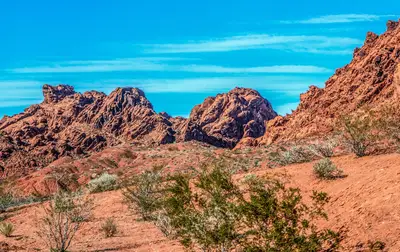
The morning sun rises over a landscape of red rock and vast, silent canyons. The air is crisp and thin, and the scale of the world around you feels almost overwhelming.
A 3-day trip often leaves travelers wondering if they should leave the city to see the natural wonders. The Grand Canyon is the most common choice, but the logistics can be tricky. You generally have two main options: the West Rim or the South Rim.
The West Rim is much closer to Las Vegas and easier to visit in a single day, but the South Rim is the iconic, vast landscape most people see in photos.
If you choose a tour to the Grand Canyon, be prepared for long hours in a vehicle. These tours often depart in the early morning and return late at night. For a 3-day itinerary, a day trip to the canyon can be physically and mentally taxing.
If you want to avoid burnout, consider a tour to the Hoover Dam or Antelope Canyon instead, which can sometimes offer a slightly different pace.
For families, the West Rim is often more manageable. For couples or photography enthusiasts, the South Rim is almost always worth the extra travel time. Always check what is included in your tour—some include meals and park fees, while others are strictly transportation.
The desert is vast and beautiful, but returning to the neon lights requires a plan to recover and reset.
The Perfect 3-Day Itinerary Summary
To make the most of your time, follow this structured approach to ensure you see the highlights without feeling like you are in a constant race.
Day 1: The Neon Immersion 1. Afternoon: Check into your hotel and explore the immediate amenities (pool or shopping). 2. Evening: Walk the Strip, witness the Bellagio Fountains, and catch a major evening show. 3. Late Night: Grab a late-night bite at a local diner or a themed lounge.
Day 2: The Great Escape 1. Full Day: Take a guided tour to the Grand Canyon or a nearby natural wonder. 2. Evening: Return to the Strip and enjoy a high-end, celebratory dinner. 3. Night: Experience the nightlife, whether it is a club or a lounge.
Day 3: The Vintage and the View 1. Morning: A slow breakfast and perhaps a visit to a scenic observation deck. 2. Afternoon: Head to Fremont Street to see the vintage side of Vegas and grab lunch. piece 3. Evening: Final souvenir shopping and a farewell meal before departing.
Quick Tips for Success * Hydrate Constantly: The desert is incredibly dry; drink more water than you think you need. * Use Rideshares: Walking between hotels can take much longer than it looks on a map.
* Pack Layers: The desert can be hot during the day and surprisingly cool at night. #






Comments 0