65,000 Capacity: Understanding Allegiant Stadium Scale
"The roar of the crowd at Allegiant Stadium is a different kind of neon light."
If you are planning a trip to Las Vegas and find yourself caught in the orbit of a major game, you aren't just attending a match; you are stepping into a massive, engineered spectacle.
Understanding where this stadium sits and how it functions is the difference between a seamless weekend and a logistical nightmare.
Key Takeaways * Allegiant Stadium serves as the modern epicenter for massive sporting and entertainment events in the Las Vegas valley. * Strategic planning around game days is essential to navigate traffic and hotel availability.
* Knowing the stadium's location and capacity helps you balance your time between the South Strip and the venue.

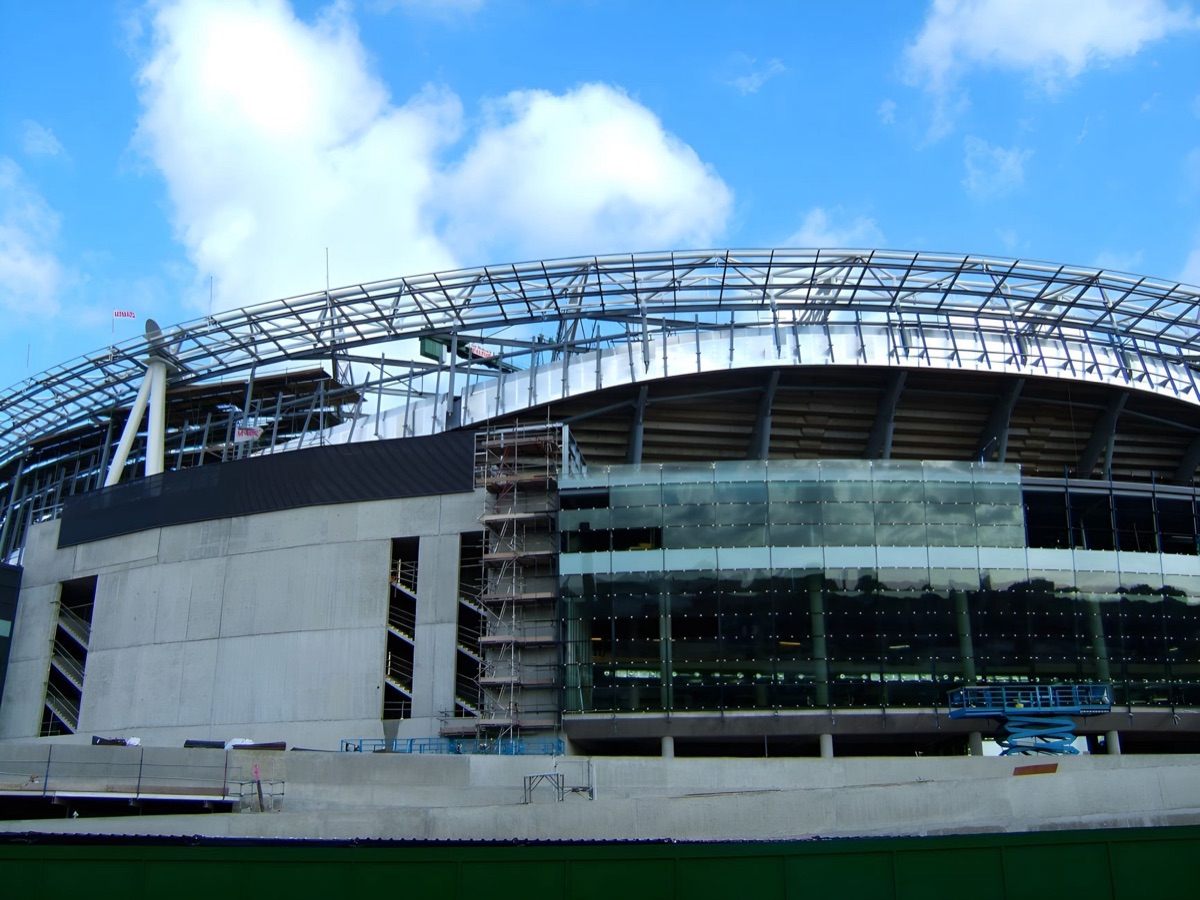
Where exactly is the stadium? The desert sun hits the glass facade of the stadium as you drive down the highway, and suddenly, the sheer scale of the structure becomes clear. You realize that this isn't just a field; it is a massive complex that dominates the local skyline.
According to the Southern Nevada Tourism Infrastructure Committee, $750 million was recommended and approved for the Las Vegas stadium plan in 2016.
Allegiant Stadium sits on approximately 62 acres (0.25 km²) of land, positioned west of the Mandalay Bay resort. The venue is situated at the intersection of Russell Road and Hacienda Avenue, tucked between Polaris Avenue and Dean Martin Drive, just west of Interstate 15.
This placement makes it a landmark visible to anyone traveling through the corridor, yet it remains distinct from the immediate chaos of the Strip.
When the Southern Nevada Tourism Infrastructure Committee voted to recommend and approve $750 million for the stadium plan on September 15, 2016, they weren't just building a sports arena; they were anchoring a new era of tourism.
This massive investment ensures that the venue can handle the influx of visitors that the region is known for. Navigating to the stadium requires a clear understanding of the surrounding road network to avoid being caught in the bottleneck of game-day traffic.
But knowing the address is only the first step in avoiding a total breakdown of your itinerary.
How do you track and time major events?
You stand in a crowded terminal, checking your phone as the flight information updates, realizing that thousands of people are descending on the city at the exact same moment. The energy is palpable, and the schedule is the only thing keeping the chaos at bay.
The primary draws for this venue are NFL games and massive concert tours, which can transform the city's atmosphere overnight. To stay ahead of the curve, you should regularly check the "Events" calendar to see when the next major fixture is scheduled.
Because these events draw massive crowds, timing is everything. A common mistake is booking a dinner reservation at a Strip restaurant and expecting to make it to the stadium on time.
You should plan to arrive at the venue at least two hours before kickoff to navigate security and the sprawling concourses.
If you are attending a game, your itinerary should revolve around the event, rather than trying to squeeze a heavy sightseeing schedule into the same day.
Always check the specific event type when planning your transit, as a Sunday afternoon NFL game creates a very different traffic pattern than a Saturday night concert.
The logistics of the crowd can be overwhelming, and understanding the sheer numbers is vital for your own comfort.
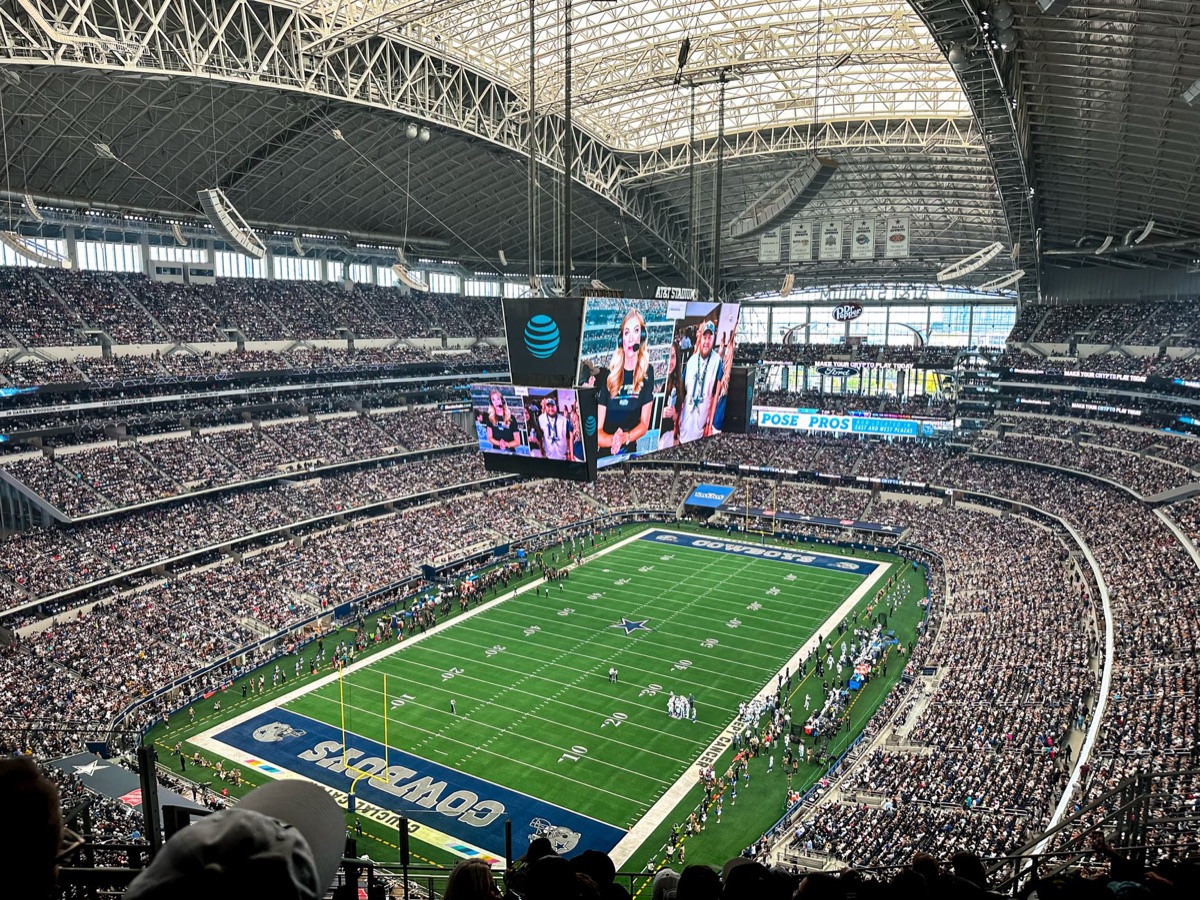
How big is it and how many can it hold? The stadium seats are vast and stretching, and as you walk toward your section, you realize how much space is actually between you and the next group of fans. The sheer volume of people is staggering when you compare the empty seats to a sold-out crowd.
The capacity and seating arrangements can shift dramatically depending on the event. For instance, during certain periods, such as when the UNLV teams played at a maximum capacity of 2,000 spectators, the stadium was only at 3% of its total 65,000 capacity.
In those scenarios, seating zones were separated by 25 feet and limited to no more than 250 people per zone. When the stadium is at its full 65,000-person capacity, the logistics change entirely.
The operational flow of the venue is designed to handle these massive surges, but the difference between a quiet weekday and a sold-out NFL game is night and day.
While some logistics might involve flight schedules—noting that certain carriers like Allegiant aircraft average between 4.5 and 8 flight hours per day—the local transit and pedestrian flow is the more immediate concern for attendees.
Understanding the difference between a "capacity" crowd and a "functional" crowd helps you manage your expectations regarding walking distances and crowd density.
But how do you actually manage a trip when the city is at peak capacity?
How to plan a trip around a major event
You sit at a breakfast nook in your hotel, looking at a map and realizing that the stadium is a world away from the fountains of the Bellagio. You have to decide: do you stay in the heart of the action or move closer to the venue?
According to World Bank data, the United States recorded international tourist arrivals of 45,037,000 in 2020.
When I first visited during a major event weekend, I sat at a small cafe table near the Strip, watching the rideshare queues stretch for blocks and realizing that my "quick" 15-minute trip was actually going to take an hour. That realization changed how I approached every single move.
Transitioning from an "event attendee" to a "Vegas tourist" requires a balance of logistics and leisure. If you are in town specifically for a game, you might consider staying at hotels closer to the stadium or on the South Strip, like Mandalay Bay, to minimize travel time.
However, most visitors prefer to stay on the Strip and take rideshares or shuttles to the stadium.
To maximize your visit, follow this checklist to ensure you aren't caught off guard:
- Identify the Anchor Event: Determine the exact date and time of the game or concert and treat it as the fixed point of your trip.
- Book Accommodations Early: Aim to secure your hotel at least 4–6 months in advance to avoid the massive price spikes seen in 2025 and 2026.
- Plan Secondary Activities: Schedule non-stadium activities, like a trip to the Hoover Dam or the Grand Canyon, for the days preceding or following the event.
- Budget for Transit Surges: Set aside an extra $50–$100 in your budget to cover the surge pricing common with rideshare apps during event windows.
- Confirm Arrival Windows: Aim to be at the stadium gates at least 120 minutes before the event starts to account for security and walking distances.
| Trip Type | Primary Focus | Recommended Strategy | | :---s | :--- | :--- | | Sports Fan | The Game | Stay South Strip; prioritize stadium transit. | | Classic Tourist | The Strip/Shows | Stay Center Strip; visit stadium on a weekday. | | Adventure Seeker | Nature/Tours | Schedule tours for non-game days to avoid traffic. |
When budgeting, remember that event-day pricing for rideshares and certain dining options can spike. It is wise to have a "Plan B" for transportation and a slightly higher budget for food and transit during peak event windows.
Frequently Asked Questions
Q: How far in advance should I book tickets and plans? For major NFL games or massive concert tours, you should book your hotel and transportation at least 4–6 months in advance.
For smaller events or local games, a few weeks might suffice, but availability decreases rapidly as the event date approaches.
Q: What is the stadium's exact address and location? The stadium is located at the intersection of Russell Road and Hacienda Avenue, west of Mandalay Bay and just west of Interstate 15.
Q: What is the stadium's maximum capacity? The stadium has a maximum capacity of approximately 65,000 spectators.
Note on limitations: This guide focuses on the logistics and scale of the stadium and its impact on travel. It does not cover specific gambling strategies or individual ticket resale markets, which can fluctuate wildly and should be handled through official channels.





Comments 0