Planning Your Trip: Match Activity to Vegas's Right District
"The neon lights of the Strip and the vintage glow of Fremont Street aren't just different neighborhoods; they are two entirely different worlds living on the same desert floor."
To understand Las Vegas, you have to understand that the hotel isn't just where you sleep—it is the destination itself. The city is split between the massive, high-production mega-resorts of the Strip and the gritty, nostalgic energy of Downtown.
Key Takeaways * Las Vegas is a curated ecosystem where the hotel and resort serve as the primary attraction. * The visitor experience relies on choosing between the modern spectacle of the Strip and the vintage charm of Downtown.
* Successful trips require matching your specific activity—whether luxury dining or local history—to the right district.

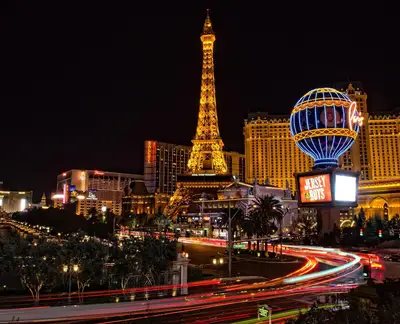
How massive is the modern Strip's spectacle? The desert heat shimmered off the asphalt at noon, and the sheer size of the Bellagio loomed like a modern palace over the pedestrian walkways. Walking from one end of a single block can feel like traveling through several different countries, each with its own architecture and theme.
The Strip is designed as a high-production, curated environment where the scale is intentionally overwhelming. Modern mega-resorts are built so that a guest can spend an entire weekend without ever leaving the property.
From the choreographed water dances at the Bellagio to the simulated volcanic eruptions at the Mirage, every element is engineered to provide a constant stream of sensory input.
In this environment, the hotel is the primary tourist draw. You aren't just booking a room; you are booking an entry point into a massive, self-contained world of shopping, dining, and theater.
However, this level of grandeur comes with significant operational pressures and high costs. The sheer density of attractions and the maintenance of massive, climate-controlled structures require immense resources and constant innovation to remain profitable.
When I first walked through the Caesars Palace lobby, the sheer height of the ceilings and the weight of the marble made me realize how small a single person actually is in this landscape. It was a physical realization of the scale.
But the grandeur isn't just about looks; it's about the economics of the desert.

How do the two eras of the Strip compare? As night fell on Fremont Street, the low hum of neon vibrated through the humid air and against my skin.
The neon hum of Fremont Street felt different, vibrating with a raw, electric energy that the polished Strip lacked. While the Strip represents the future and the peak of luxury, Downtown represents the soul and the history of the city.
The contrast between the "glamour" of the Strip and the "vintage charm" of Downtown is the defining tension of the city. The Strip is a playground of glass and steel, whereas Downtown offers a gritty, walkable atmosphere where the history of the desert gambling town is still visible.
Market dynamics have historically shifted between these two hubs. While the Strip often captures the headlines and the massive capital investments, Downtown has shown unique resilience.
This suggests that while the Strip deals with massive swings in luxury spending, the Downtown market often maintains a different, sometimes more stable, economic rhythm.
But how do you actually decide which one fits your specific travel style?
Beyond the Hotel Door: Maximizing Your Visit
The heavy glass doors of the resort slid shut, momentarily cutting off the roar of the desert wind and the hum of the air conditioning. Inside, the transition from the harsh outside world to the climate-controlled luxury was immediate and jarring.
Navigating the city requires a strategy for both time and money. Because the resorts are so large and the distances between them can be deceptive, understanding the logistics is vital.
Visitors often face "resort fees"—extra daily charges added to the room rate—which can significantly impact a budget if not accounted for during the initial booking.
Dining and transit also require careful planning. While luxury fine dining is a staple of the Strip, budget-friendly options and food courts are tucked away within the massive complexes to cater to different traveler needs.
The environmental reality of the desert plays a role in logistics too. The scarcity and the desert environment mean that staying hydrated and understanding the local resource context is a practical necessity for anyone spending time outdoors.
If you don't plan for the logistics, the desert can quickly turn a dream vacation into an exhausting ordeal.

Planning Your Perfect Vegas Journey: Tailoring the Trip
A suitcase sat on the bed, half-packed with linen shirts and sunglasses, reflecting the dual nature of a trip that might include both a desert tour and a Broadway-style show. Choosing where to stay and what to do depends entirely on the "why" of the trip.
The perfect itinerary depends on the traveler's profile. A romantic getaway usually leans toward the high-end amenities and fine dining of the Strip, whereas a group of friends looking for nightlife and a more social, walking-heavy atmosphere might find Downtown more engaging.
| Trip Type | Primary Location | Key Activity |
|---|---|---|
| Romantic / Luxury | The Strip | Fine Dining, High-End Shows |
| Friends / Nightlife | Downtown | Fremont Street, Local Bars |
| Family / Sightseeing | The Strip / Off-Strip | Themed Resorts, Large Aquariums |
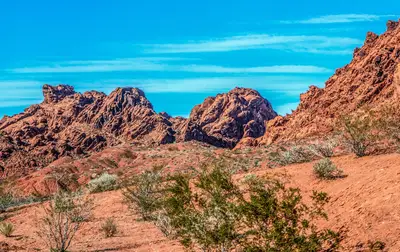
When planning, consider the timing. Weekend pricing and crowds can drastically change the experience and the cost. For those looking to escape the city, curated tours to the Grand Canyon or Red Rock Canyon provide a necessary contrast to the neon.
To make the most of your time, follow this basic preparation checklist:
- Verify Resort Fees: Always check the fine print on your booking to see the daily per-room fee.
- Plan Transit: Decide between ride-shares or the monorail to avoid long walks in the heat.
- Schedule Outdoor Activities: Aim for early morning or late evening to avoid peak sun.
- Pack for Extremes: Bring light clothing for the day and a jacket for the heavy indoor AC.
While the geological stability of the region is generally reliable, it is always wise to remain aware of the natural environment when planning desert excursions.
The Wider Context: Vegas in the Global Spotlight
The sun dipped below the horizon, turning the desert sky a bruised purple, and the first flickers of the city's massive light show began to pulse against the dark. Las Vegas is no longer just a regional gambling hub; it is a global phenomenon.
According to World Bank, the United States recorded international tourist arrivals of 45,037,000 in 2020.
The city's ability to host massive international crowds is a testament to its unique infrastructure. The scale of tourism is immense. Las Vegas serves as a major gateway and destination within the massive flow of global travelers.
However, visitors must be prepared for the extreme environment that surrounds this oasis. The desert is beautiful but unforgiving.
The city has faced extreme weather events, such as when Las Vegas reached a new record high temperature of 120 °F on July 7, 2024. Preparation for heat and hydration is just as important as booking the right hotel room.
FAQ
Q: What is the difference between the Strip and Downtown? A: The Strip is the modern, high-scale corridor of mega-resorts and luxury attractions located south of the city center. Downtown is the historic heart of Las Vegas, featuring a more vintage and walkable atmosphere.
Q: Is it better to stay on the Strip or Downtown? A: It depends on your goal. Stay on the Strip if you want luxury and world-class dining within a single complex. Stay Downtown if you prefer a more social, vintage atmosphere and slightly different price points.
Q: How should I handle the desert heat? A: Always carry water and plan outdoor activities for the early morning or late evening. The transition from intense heat to heavy air conditioning can be taxing on the body.






Comments 0